

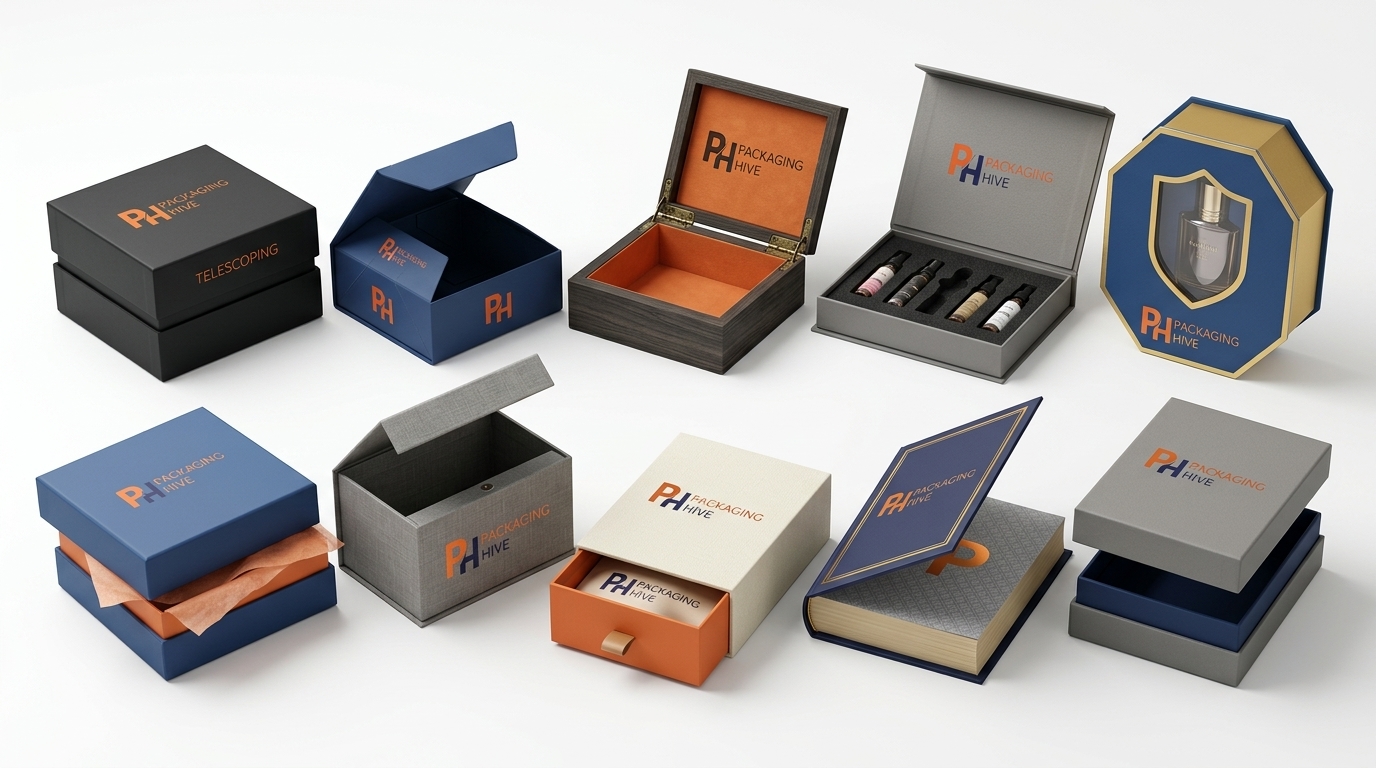
Rigid boxes have become a go-to solution for brands that want to protect their products while creating a memorable first impression. Unlike standard folding cartons, these sturdy structures hold their shape, feel substantial in the hand and instantly signal quality. Whether you sell jewelry, cosmetics, electronics, or gifts, understanding the different types of rigid boxes, along with the materials that make them work, helps you choose packaging that matches your brand and delights customers.
In this guide, we’ll walk through ten of the most useful styles, explain when each works best, explore the key material options that determine strength and appearance and share practical tips so you can make smarter packaging decisions.
Main Types of Rigid Boxes
Below are the ten most common and useful types of rigid boxes that brands rely on today. Each style offers distinct advantages in presentation, protection and functionality.
1. Two-Piece Rigid Boxes (Lid and Base Boxes)
Two-piece rigid boxes, also called lid and base boxes, are the classic and most widely used style. They consist of a separate base and a removable lid that fits over the top.
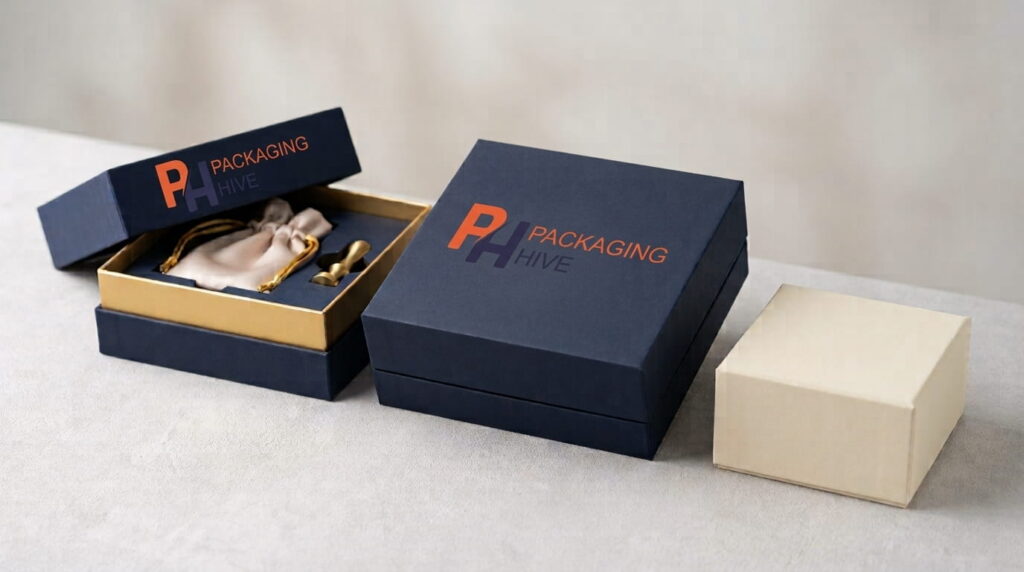
This simple design offers clean presentation and easy access to the product. Brands often choose two-piece rigid boxes for candles, watches, tech accessories and everyday luxury items because they look polished without unnecessary complexity. They also work well as rigid gift boxes and can be customized with logos, soft-touch finishes, or foil stamping.
Best for: Brands that want reliable protection and a premium look at a reasonable cost.
2. Magnetic Closure Rigid Boxes
Magnetic closure rigid boxes feature hidden magnets that create a satisfying “click” when the lid closes. This small detail elevates the unboxing experience and makes the packaging feel more luxurious.
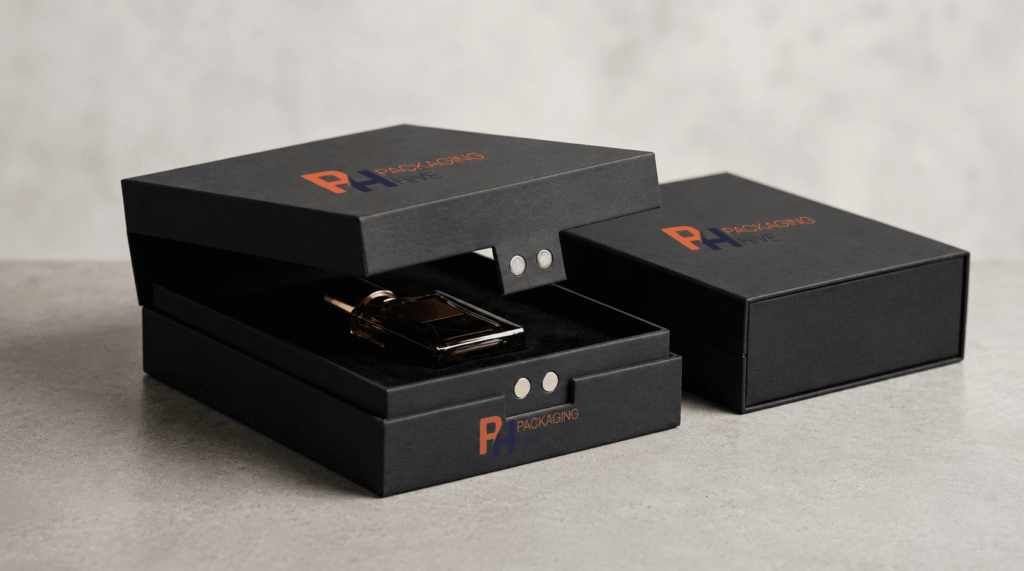
These magnetic rigid boxes are especially popular for high-end cosmetics, jewelry and small electronics. The secure closure keeps products safe during shipping while the smooth opening moment reinforces brand quality. Many companies use them as luxury packaging boxes because the magnetic feature feels intentional and premium.
Best for: Products where the unboxing moment matters as much as the product itself.
3. Drawer Rigid Boxes (Slide-Out Rigid Boxes)
Drawer rigid boxes, sometimes called slide-out rigid boxes, feature a tray that slides out from a sleeve or outer shell. The smooth motion creates an interactive and elegant reveal.
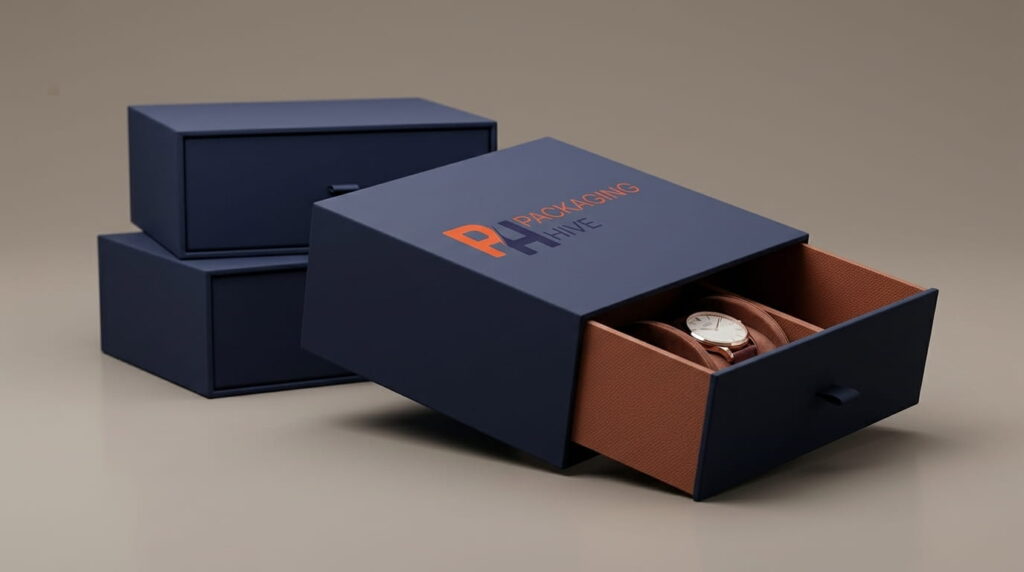
This style works particularly well for watches, jewelry sets, tea collections and multi-piece kits. The sliding action adds a sense of ceremony that standard lids cannot match. Brands often pair drawer rigid boxes with custom inserts to hold items securely in place.
Best for: Products that benefit from a theatrical or high-touch presentation.
4. Book Style Rigid Boxes
Book style rigid boxes open like a hardcover book, with a hinged lid attached to the base. This design offers more surface area for branding and storytelling on the inside panels.
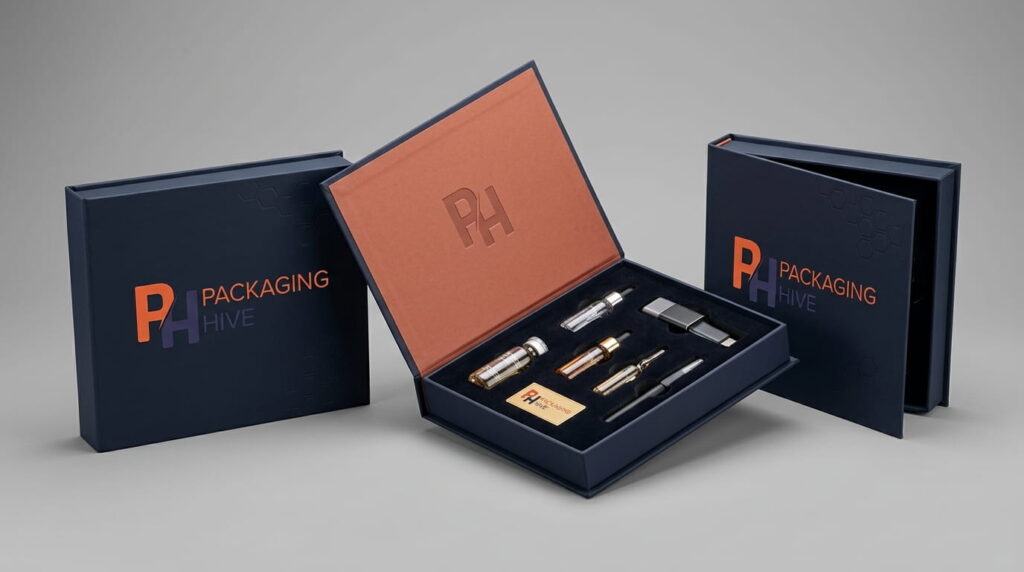
They are frequently chosen for premium collections, corporate gifts and presentation kits. The hinged structure makes them easy to open and close repeatedly, which is useful when the box will be kept as a keepsake. Many brands use book style rigid boxes to create a more narrative-driven unboxing experience.
Best for: Brands that want packaging to tell a story or serve as a lasting keepsake.
5. Shoulder Neck Rigid Boxes
Shoulder neck rigid boxes have three main parts: a base, a raised “neck” or shoulder section and a separate lid. The layered structure creates visual depth and a sophisticated, high-end appearance.
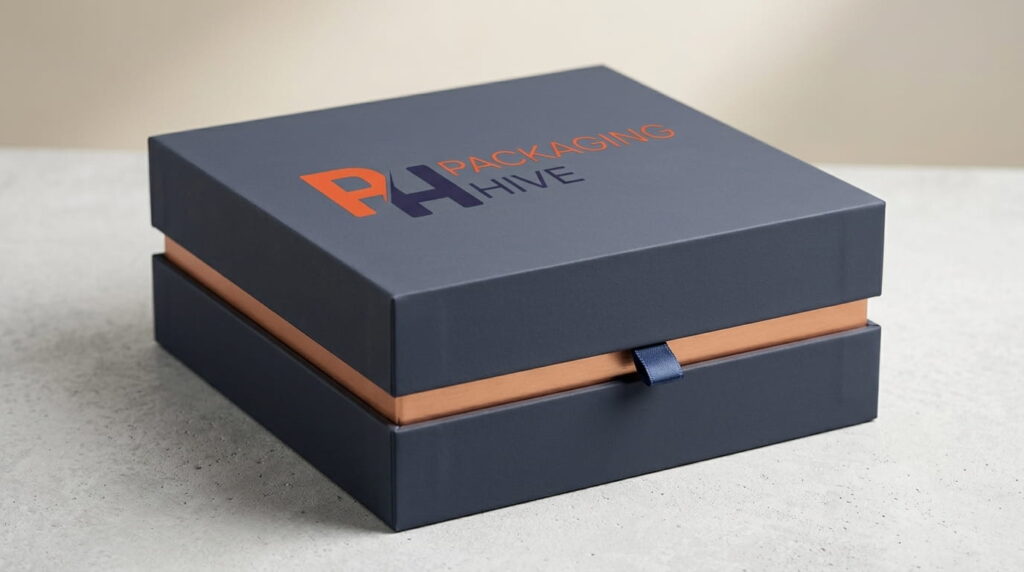
This style is commonly seen in perfume packaging, luxury cosmetics and exclusive gift sets. The extra dimension makes the product feel more substantial and carefully presented. Shoulder neck designs are a strong choice when you want rigid product boxes that stand out on shelves or in photos.
Best for: Fragrance, beauty and other categories where visual hierarchy and elegance matter.
6. Telescoping Rigid Boxes
Telescoping rigid boxes feature a lid that fully covers the base, creating a clean, continuous look. The deeper lid provides extra protection and a seamless exterior.
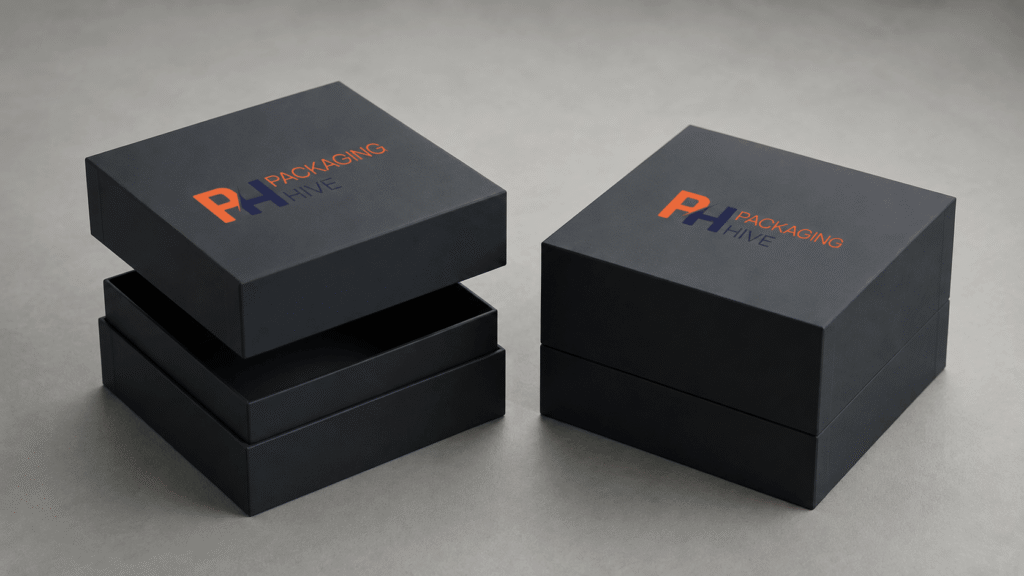
These boxes work well for electronics, premium accessories and products that need added structural strength. Because the lid sits flush over the base, they often feel more substantial than standard two-piece designs. Brands looking for durable rigid packaging frequently turn to this style.
Best for: Items that require both strong protection and a refined exterior.
7. Collapsible Rigid Boxes (Foldable Rigid Boxes)
Collapsible rigid boxes (also called foldable rigid boxes) can be shipped flat and assembled quickly when needed. Once set up, they offer the same sturdy feel as traditional rigid boxes.
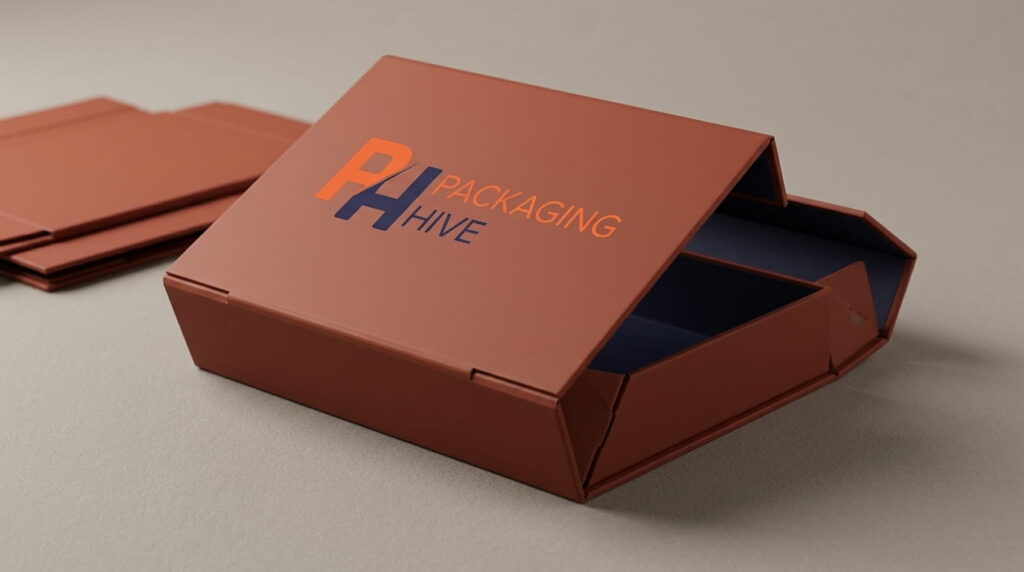
This style solves a major logistics challenge for e-commerce brands. It reduces shipping volume and storage costs while still delivering a premium experience. Collapsible options are increasingly popular for rigid boxes for e-commerce and rigid subscription boxes, where brands need both luxury presentation and practical shipping efficiency.
Best for: Online sellers and subscription services that want premium packaging without high freight costs.
8. Hinged Lid Rigid Boxes
Hinged lid rigid boxes have a lid permanently attached on one side, similar to a clamshell but with a more refined rigid construction. The design allows easy repeated opening and closing.
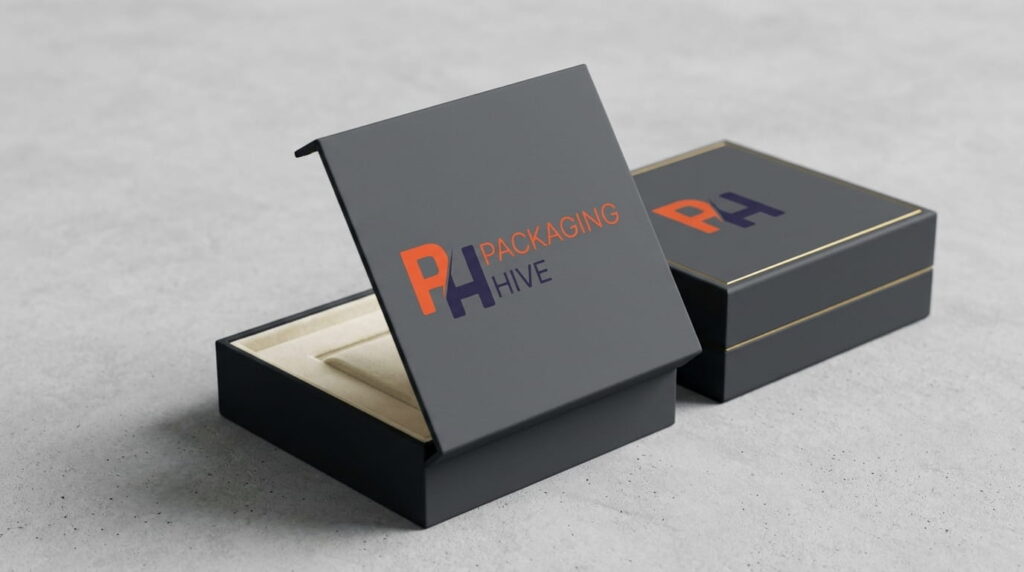
These boxes are practical for products that customers will access often or for packaging intended to be reused. They combine the strength of rigid construction with everyday convenience. Many brands use hinged lid styles for keepsake packaging or items that double as storage after the initial unboxing.
Best for: Reusable packaging and products that benefit from frequent access.
9. Rigid Boxes with Custom Inserts
While not a structural style on its own, rigid boxes with custom inserts deserve a dedicated place on this list. Foam inserts, cardboard inserts, die-cut inserts and EVA foam trays keep products secure and create a polished presentation.
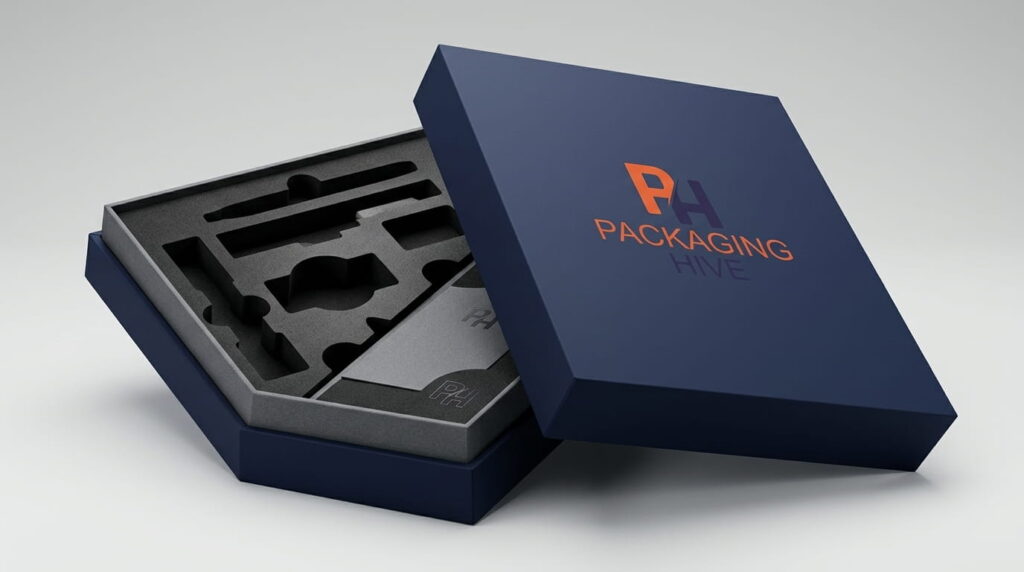
Custom box inserts prevent movement during shipping and make the interior look intentional. They are especially valuable for rigid jewelry boxes, rigid watch boxes, rigid cosmetic boxes and any multi-component set. Thoughtful inserts turn a good box into a complete protective and presentation system.
Best for: Fragile or multi-piece products that need precise positioning.
10. Custom Shape and Window Rigid Boxes
Custom shape rigid boxes and window rigid boxes move beyond the standard rectangle. Hexagonal, circular, or uniquely shaped boxes create instant visual interest, while clear windows allow customers to see the product before opening.
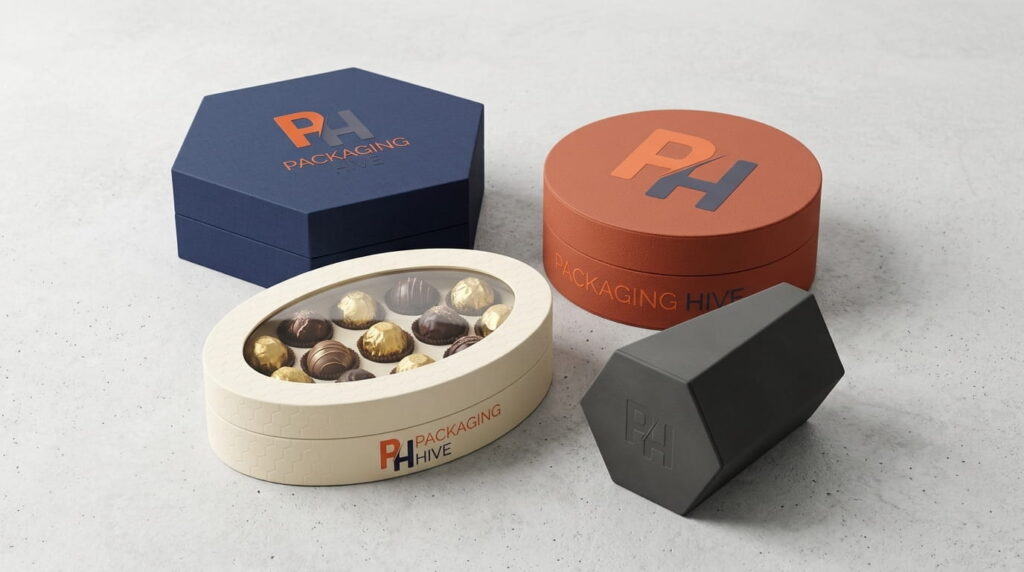
These designs help brands stand out in competitive categories and on social media. Custom design rigid boxes with windows or non-traditional shapes work well for candles, confectionery, specialty foods and limited-edition releases. When done thoughtfully, they reinforce brand personality without sacrificing protection.
Best for: Brands that want packaging to become a visual signature.
Rigid Box Material Options
The materials used in rigid boxes determine how strong, heavy and premium the packaging feels. Understanding these options helps you match performance with brand goals and budget.
Structural Core: Greyboard and Chipboard
The rigidity comes from a thick core, most commonly greyboard (also called chipboard). Made from compressed recycled paper fibers, it typically ranges from 800 gsm to 2000+ gsm (about 1.5–3 mm thick).
- 800–1200 gsm works well for smaller, lighter items such as cosmetics or jewelry.
- 1200–1500 gsm is the most common range for luxury gift boxes and retail packaging.
- 1800–2000+ gsm delivers a wood-like solidity ideal for heavier products or maximum protection.
Higher GSM increases the premium feel and durability but also adds weight and shipping cost.
Outer Wrap Materials
The core is wrapped with a decorative layer that controls appearance and print quality:
- Art paper (usually 120–157 gsm) is the most popular choice for sharp full-color printing.
- Kraft paper offers a natural, eco-friendly look.
- Textured or specialty papers (linen, felt, laid) add tactile interest.
- Metallic, pearlescent, fabric, or faux-leather wraps create ultra-premium effects.
Finishes and Coatings
Common treatments include matte, gloss, or soft-touch lamination; foil stamping; embossing or debossing; and spot UV. Soft-touch and foil finishes are especially effective for elevating luxury rigid boxes. Water-based coatings are preferred when recyclability is a priority.
Insert Materials
EVA foam, die-cut cardboard, molded pulp, or fabric linings secure the product and complete the presentation. Sustainable brands increasingly choose paperboard or molded-pulp inserts over traditional foam.
Sustainable Options
High post-consumer recycled greyboard, FSC-certified papers, uncoated kraft, soy-based inks and water-based coatings allow brands to maintain a premium look while improving recyclability. Fully paper-based constructions are growing in popularity because they simplify end-of-life recycling.
How to Choose the Right Rigid Box for Your Brand
Selecting the best style and materials depends on a few practical factors:
- Product type and fragility — Use thicker grey board and protective inserts for delicate or heavy items. Magnetic, telescoping, or drawer styles with custom inserts work especially well.
- Unboxing goals — Magnetic, drawer and book styles create stronger emotional moments.
- Shipping and storage — Collapsible rigid boxes with lighter GSM cores often make the most sense for e-commerce.
- Budget and volume — Two-piece designs with standard 1200–1500 gsm greyboard and art paper wraps are usually the most cost-effective starting point.
- Brand positioning and sustainability — Luxury brands often invest in higher GSM, soft-touch finishes and foil. Eco-conscious brands prioritize recycled content, FSC papers and paper-based inserts.
Working with a rigid box manufacturer or rigid box supplier can help you refine sizes, materials and finishes. Options such as soft-touch coatings, foil stamping, embossing, or eco-friendly materials further enhance the final result. Many brands also explore custom logo rigid boxes and custom size rigid boxes to ensure perfect brand alignment.
Conclusion
Understanding the main types of rigid boxes and the materials that build them, gives brands a clear advantage. From classic two-piece designs to magnetic closures, collapsible options and custom inserts, each style solves specific needs around protection, presentation and logistics. Pairing the right structure with the appropriate grey board thickness, wrap paper and finishes ensures the packaging feels as premium as the product inside.
The right rigid box packaging does more than hold a product, it communicates quality, improves the unboxing experience and supports long-term brand perception. Whether you need luxury packaging boxes, practical rigid boxes for e-commerce, or specialized rigid gift boxes, matching the style and materials to your goals is the key.
If you’re ready to explore custom rigid boxes for your next product line, start by identifying your priorities – protection, presentation, cost efficiency, or sustainability and choose the combination of structure and materials that best supports them. The right packaging decision can turn a simple delivery into a lasting impression.