

Dimensions of a Deck of Cards
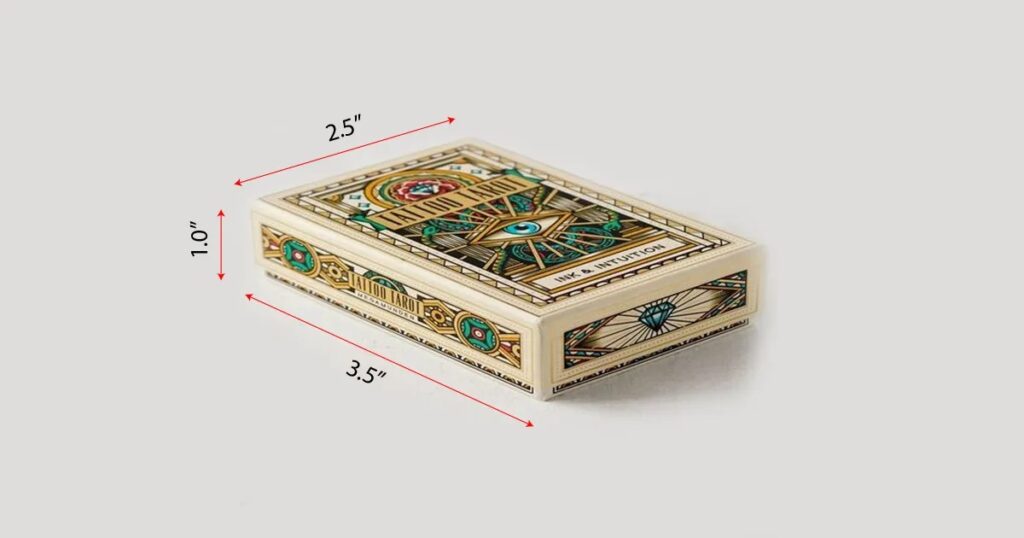
If you’re wondering about the dimensions of a deck of cards, here’s the quick answer: a standard deck typically measures 2.5 x 3.5 inches per card, while the full deck stack is about 0.75 to 1 inch thick, depending on the number of cards and material. Understanding these measurements is essential whether you’re designing cards, packaging them, or planning retail presentation. In this guide, we’ll break down everything you need to know—from card size to packaging and why it all matters. Standard Dimensions of a Deck of Cards (USA Format) In the United States, the most common deck of cards dimensions in inches follow a widely accepted standard. A typical deck contains 52 playing cards plus 2 jokers, making a total of 54 cards. Each card measures 2.5 inches wide and 3.5 inches tall, which is considered the standard playing card size USA. When stacked together, the deck usually has a thickness of around 0.75 inches, though this can slightly vary depending on card stock quality. The outer tuck box, which holds the cards, is generally a bit larger to allow easy insertion and removal. Most standard tuck boxes measure approximately 2.6 x 3.6 x 0.8 inches. These dimensions are widely used across casinos, retail brands, and custom card manufacturers, making them a reliable benchmark for both production and packaging. Individual Playing Card Size Explained The size of individual cards is not random—it’s carefully designed for usability and handling. The 2.5 x 3.5-inch format strikes the perfect balance between visibility and comfort. This size allows players to hold multiple cards easily in one hand without strain. It also ensures readability of numbers and suits, which is crucial in games like poker and blackjack. In some cases, variations exist. For example, bridge cards are slightly narrower, typically measuring 2.25 x 3.5 inches. However, poker-size cards remain the dominant standard in the U.S. market. The thickness of each card also plays a role. Most playing cards are around 0.3 mm thick, contributing to the overall deck height and durability. Deck Box Dimensions and Packaging Size The card box size is just as important as the cards themselves. Packaging needs to protect the deck while maintaining a compact and attractive design. Standard tuck boxes are designed to snugly fit the cards without excessive movement. As mentioned earlier, most boxes measure close to 2.6 x 3.6 x 0.8 inches, but custom packaging can vary based on branding and material choices. Premium decks may use rigid boxes, magnetic closures, or drawer-style packaging. These options often increase the overall dimensions slightly but add significant value in terms of presentation and durability. For bulk storage or retail shipping, brands often use larger packaging solutions such as Custom Paper Bags, which provide both protection and branding opportunities. These are especially useful for gift sets or multiple-deck bundles. Similarly, moisture-resistant options like Custom Mylar Bags are ideal for protecting cards from humidity, making them a great choice for long-term storage or shipping in varying climates. Why Card Dimensions Matter You might think card size is a small detail, but it plays a big role in multiple areas. First, dimensions directly affect gameplay. Cards that are too large or too small can disrupt the user experience. Standard sizing ensures consistency across different games and brands. Second, printing accuracy depends heavily on precise measurements. Even slight deviations can result in misaligned designs or unusable cards. Storage is another factor. Whether you’re stacking decks in a retail store or shipping them across the country, consistent playing card packaging dimensions make logistics much easier. Lastly, dimensions impact cost. Standard sizes allow manufacturers to optimize material usage, reducing waste and production expenses. Packaging Importance in the Card Industry In today’s competitive market, packaging is more than just a container—it’s part of the product experience. A well-designed package protects the cards from damage, dust, and moisture. It also enhances the perceived value of the product, which is especially important for premium or collectible decks. Retail presentation is another key aspect. Eye-catching packaging can influence purchasing decisions, especially in physical stores. Additionally, packaging plays a role in branding. Custom designs, logos, and finishes help businesses stand out and create a memorable impression. For eCommerce brands, durable packaging ensures that the product reaches customers in perfect condition, reducing returns and improving customer satisfaction. Custom Packaging Solutions for Card Products As the demand for unique and branded products grows, custom packaging has become a necessity rather than a luxury. Businesses can tailor their packaging to match their brand identity, target audience, and product positioning. From minimalist designs to luxury finishes, the options are endless. Custom sizes can also be created to fit non-standard decks or special editions. This flexibility is particularly useful for businesses looking to differentiate themselves in the market. Materials play a crucial role as well. Eco-friendly options are becoming increasingly popular in the U.S., as consumers prefer sustainable packaging solutions. Working with a professional packaging company ensures that your packaging not only looks great but also meets industry standards for durability and functionality. Conclusion Understanding the dimensions of a deck of cards is essential for anyone involved in card design, manufacturing, or packaging. From the standard 2.5 x 3.5-inch card size to the slightly larger tuck box dimensions, every measurement serves a purpose. These standards ensure usability, consistency, and efficiency across the industry. Packaging adds another layer of importance, influencing both protection and presentation. Whether you’re selling a single deck or a premium collection, the right packaging can make all the difference. If you’re looking to elevate your card products with high-quality, custom packaging, now is the time to invest in solutions that combine functionality with visual appeal. The right packaging doesn’t just protect your product—it helps sell it. FAQs What are the standard dimensions of a deck of cards in the USA?A standard deck typically includes cards measuring 2.5 x 3.5 inches, with the full deck stack around 0.75 to 1 inch thick and packaged in a slightly larger box. Are all playing
How Many Cigarettes in a Carton
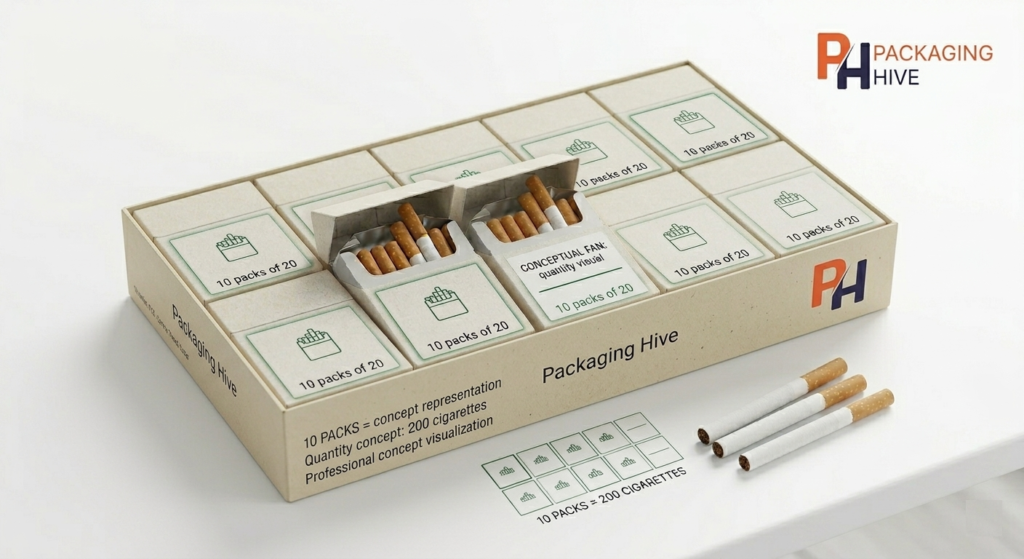
If you’re wondering how many cigarettes in a carton, here’s the simple answer: A standard cigarette carton in the United States contains 200 cigarettes.This is because one carton usually includes 10 packs, and each pack contains 20 cigarettes. Whether you’re a consumer trying to understand packaging or a business exploring tobacco packaging solutions, knowing these basics helps you make informed decisions. Let’s break it down in detail. How Many Cigarettes Are in a Carton? In the U.S., cigarette packaging follows a fairly consistent structure. Standard Calculation: This format is widely accepted across major cigarette brands in the United States. Why This Standard Exists The 20-cigarette pack became the norm due to: While there are rare variations (like packs of 25), they are uncommon in the U.S. market. Standard Cigarette Packaging in the USA Use up and down arrow keys to resize the meta box pane. Cigarette packaging in the U.S. is not just about holding products—it’s about compliance, branding, and user experience. Common Packaging Levels: 1. Primary Packaging (Cigarette Pack) 2. Secondary Packaging (Carton) 3. Tertiary Packaging Cigarette Packaging Sizes Typical dimensions vary slightly but generally include: These standardized cigarette packaging sizes ensure consistency across retail shelves and logistics systems. Packs vs Cartons Breakdown Understanding the difference between packs and cartons is essential for both buyers and sellers. Cigarette Packs Cigarette Cartons Quick Comparison Feature Pack Carton Cigarettes 20 200 Packs Included 1 10 Price per Unit Higher Lower Convenience High (portable) High (bulk storage) So, if you’re asking how many packs in a carton, the answer is simple: 10 packs per carton. Price of a Carton in the USA The carton of cigarettes price USA varies depending on several factors: Key Influencing Factors: General Price Range: Buying cartons instead of individual packs often reduces the cost per cigarette. Why Packaging Matters in the Cigarette Industry Cigarette packaging plays a much bigger role than just storage. Key Functions of Packaging: In a competitive market, packaging can make or break a brand’s visibility. Role of Custom Packaging for Brands As the tobacco market becomes more competitive, brands are turning toward customization to stand out. Why Custom Packaging is Important: For example, businesses can invest in Custom Cigarette Boxes to create unique, compliant, and visually appealing packaging that reflects their brand identity. Similarly, brands expanding into related niches often use Custom Cigar Boxes to maintain consistency across product lines. Even accessories play a role—products like Custom Lighter Boxes help create a complete branded experience for customers. Benefits for Businesses: Custom packaging is no longer optional—it’s a strategic necessity. Conclusion To sum it up, the answer to how many cigarettes in a carton is straightforward: 200 cigarettes per carton (10 packs × 20 cigarettes each) But beyond the numbers, understanding packaging structure, pricing, and branding gives you a deeper insight into the cigarette industry. For businesses, especially in the U.S., packaging is more than just a container—it’s a powerful marketing tool. FAQs 1. How many packs are in a carton of cigarettes? A standard carton contains 10 packs of cigarettes. 2. How many cigarettes are in one pack in the USA? Most cigarette packs in the U.S. contain 20 cigarettes. 3. Is buying a carton cheaper than packs? Yes, buying a carton usually lowers the cost per cigarette compared to individual packs. 4. Do all cigarette cartons contain 200 cigarettes? In most cases, yes. However, rare variations may exist depending on brand or region. 5. What affects cigarette carton prices in the U.S.? Prices depend on state taxes, brand type, and retail location. Call to Action Looking to elevate your tobacco brand in the U.S. market? Packaging Hive offers premium, fully customizable packaging solutions tailored to your needs. From cigarette boxes to accessories, we help you stand out on every shelf. Get in touch today and create packaging that sells.