
Low MOQ Custom Packaging Boxes for Seasonal Product Launches: How Brands Test Without Overstocking
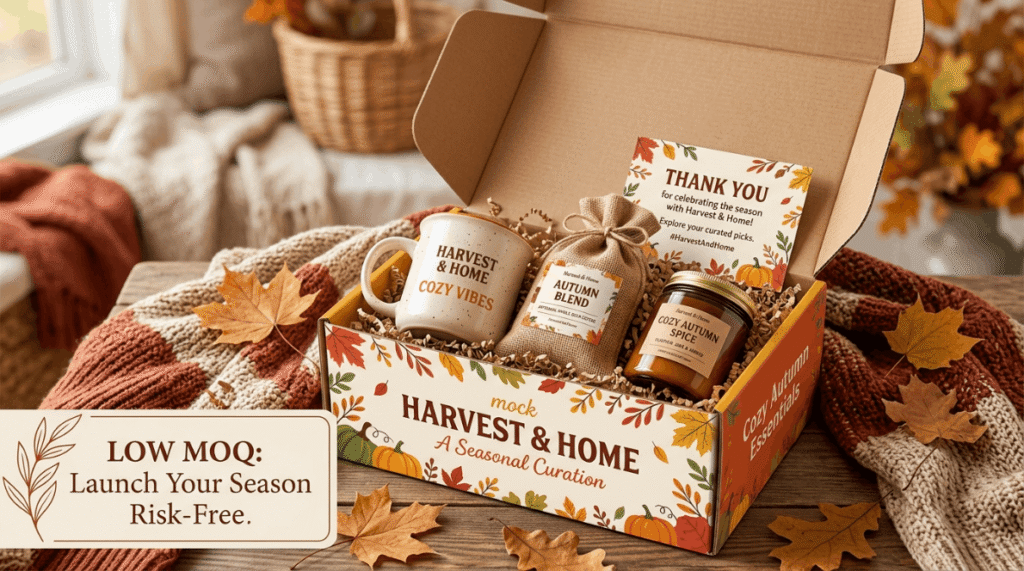
Seasonal product launches create excitement—and risk. A limited-edition holiday collection, summer flavor, or regional special can drive strong demand… or leave brands with shelves full of unused packaging. Traditional custom box suppliers often require high minimum order quantities, forcing companies to commit capital and warehouse space before they know whether the product will sell. Low MOQ custom packaging boxes change that equation. With minimums starting at just 100 units, brands can produce professional, fully branded packaging for a test run, measure real customer response, and scale only if the launch succeeds. No large overstock. No design locked in for years. Just smart, flexible packaging that supports growth instead of holding it back. This guide explains how low MOQ custom packaging works for seasonal launches, the practical benefits, the best box styles and materials, ordering steps, and how to avoid common pitfalls. Why Seasonal Product Launches Need Flexible Packaging Seasonal products live in short windows. Demand is hard to predict, and designs often need updates for the next holiday or trend cycle. High minimum order quantities create two expensive problems: excess inventory that sits unused, and packaging that becomes outdated the moment the season ends or the artwork changes. Low MOQ custom packaging boxes solve both issues. Brands can order enough boxes for a limited run, gather sales data and customer feedback, then decide whether to reorder larger quantities or refine the design. This approach turns packaging from a fixed cost into a testable growth tool—especially valuable for startups, e-commerce brands, and companies expanding into new seasonal lines. What Low MOQ Really Means for Custom Packaging Boxes Low MOQ typically starts at 100 boxes. That number is low enough for meaningful testing yet high enough to deliver consistent print quality and professional structure. Modern digital printing and streamlined production make these short runs practical without sacrificing color accuracy or durability. Key advantages that remove traditional barriers include: These features let growing brands launch limited editions or test new packaging without the overhead that once made custom boxes accessible only to large companies. Key Benefits of Low MOQ Custom Packaging for Seasonal Launches Risk reduction Order only what the launch window requires. Unused boxes do not pile up in storage, and capital stays available for inventory, marketing, or the next test. Faster testing cycles Validate box structure, print quality, finishes, and customer reaction in real market conditions. Adjust artwork or materials based on actual data rather than assumptions. Cash-flow friendly Lower upfront spend and reduced warehouse needs improve unit economics for seasonal products that may not run year-round. Design flexibility Update graphics easily for the next season or limited edition without writing off large quantities of outdated stock. Professional brand experience from day one Even short runs can include full-color printing, premium finishes, and thoughtful interiors. Customers still receive a cohesive unboxing experience that reinforces brand quality. Clear path to scale Once a design and demand are proven, the same dielines and materials transition smoothly to higher-volume production. Best Types of Custom Packaging Boxes for Seasonal Testing Choose structure based on how the product ships and how it will be seen. Custom mailer boxes and shipping boxes Made from corrugated board (E-flute or B-flute), these self-locking styles protect products during transit and create a branded reveal at the door. Ideal for e-commerce seasonal kits, subscription boxes, and direct-to-consumer launches. Tuck-top and seal-end folding cartons Lightweight paperboard boxes with clean closures work well for retail shelf display and limited-edition products. They offer excellent print surfaces and a polished look at accessible cost. Rigid or magnetic-closure boxes Thicker board and premium closures deliver a luxury unboxing moment. Best for high-end seasonal gifts, jewelry, or limited collections where presentation is part of the product value. Die-cut window or specialty styles Clear windows or unique shapes highlight the product and add seasonal visual interest when shelf appeal matters. Many brands combine an outer custom shipping box with an inner printed product carton. Complementary elements such as custom inserts, kraft or SBS stock, and eco-friendly materials further align packaging with brand values and seasonal messaging. Materials, Printing, and Finishes That Work Well on Low MOQ Runs Materials Printing Digital printing suits short runs and fast turnarounds with strong color accuracy. Once volume grows, the same design can move to offset lithography for even sharper results at scale. Finishes Matte, gloss, or soft-touch lamination; spot UV for logo emphasis; selective foil stamping (gold or silver for holiday editions); and embossing or debossing elevate perceived value without requiring massive quantities. Keep early test designs relatively focused so costs stay controlled, then add accents once the launch proves successful. Step-by-Step Process to Order Low MOQ Custom Packaging for a Seasonal Launch Plan enough buffer for proof approval and production so packaging arrives ahead of the seasonal window. Standardizing a few core sizes across seasonal SKUs further simplifies future reorders. Practical Tips to Test Successfully Without Overstocking Right-sizing the box reduces material use, shipping costs, and the risk of product movement. Cost Considerations and How to Keep Seasonal Packaging Affordable Price depends on quantity, material thickness, print coverage, finishes, and structural complexity. Low minimums, the absence of die and plate charges, and free shipping improve the economics of testing. Calculate the true cost by including avoided overstock waste and the brand value of a memorable unboxing experience. A practical progression works well for most brands: start with digital short-run packaging for the test, then move to higher-volume production with the same proven design once demand is clear. Frequently Asked Questions What is a realistic low MOQ for custom packaging boxes? Many manufacturers focused on growing brands start at 100 boxes. This supports testing and limited seasonal runs without large inventory commitments. Can I get full custom printing and finishes at 100 boxes? Yes. Digital printing and available finishing options deliver professional results on short runs. Premium accents such as foil or soft-touch can be added selectively. Are there die or plate setup fees? Transparent suppliers absorb these costs. The quoted
How Free Design Support and No Die Charges Change the Economics of Custom Packaging Boxes
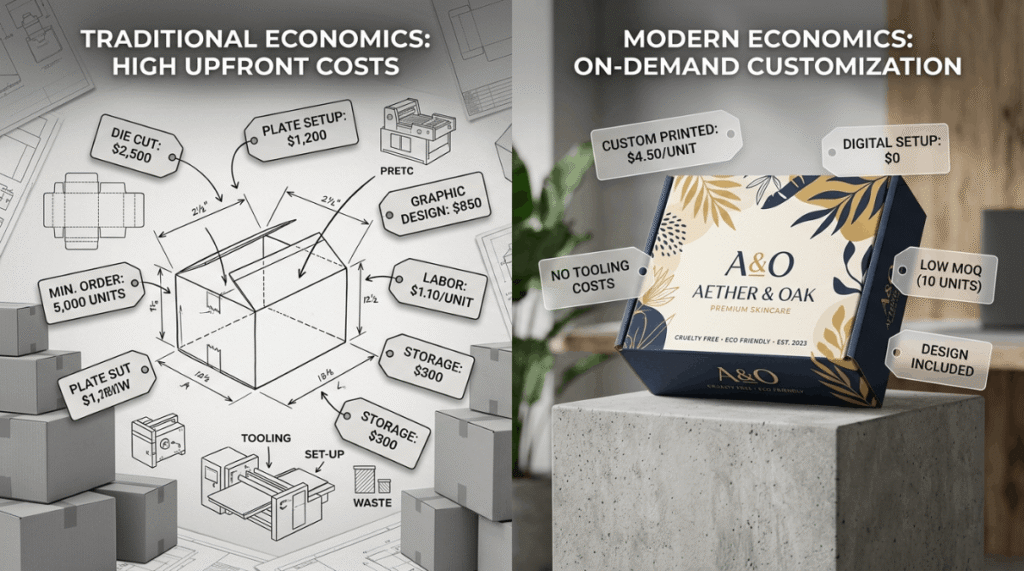
Custom packaging has long been viewed as a luxury reserved for big brands with deep pockets. The reason is simple: the traditional cost structure is loaded with upfront expenses that make the economics unattractive for many businesses. Two of the biggest culprits are design fees and die charges. Today, a growing number of packaging suppliers are removing these barriers entirely by offering free design support custom packaging and no die charges packaging boxes. This shift is quietly rewriting the financial equation for brands of all sizes. In this article, we break down exactly how these two benefits transform the economics of custom packaging boxes and why more companies are making the switch. The Traditional Cost Structure of Custom Packaging Boxes In the conventional model, ordering custom packaging boxes involves several fixed costs that hit you before a single box is produced: These expenses can easily add hundreds or even thousands of dollars to a first order. For startups, e-commerce brands, and mid-sized companies testing new products, the numbers often don’t make sense. Many simply settle for generic packaging or delay custom projects indefinitely. The result is higher barriers to entry, slower product launches, and packaging that fails to differentiate the brand on the shelf or in the unboxing experience. What Free Design Support Really Means for Your Business Free design support goes far beyond simply “not charging for artwork.” High-quality free design support custom packaging typically includes: When this service is truly free, several economic advantages appear immediately: The time and money saved can be redirected into marketing, inventory, or product development — areas that directly drive revenue. The True Impact of No Die Charges on Packaging Boxes Die charges (also called tooling or mold charges) are the costs associated with creating the physical cutting dies used to produce custom-shaped boxes. In traditional manufacturing, these are often non-refundable and can range from a few hundred to several thousand dollars depending on complexity. No die charges packaging boxes remove this cost completely. The economic effects are significant: This single change lowers the break-even point of custom packaging and makes it accessible to businesses that previously could not justify the investment. Combined Effect: How Free Design Support + No Die Charges Transform Packaging Economics When free design support and no die charges are offered together, the impact compounds: Cost Factor Traditional Model Free Design + No Die Charges Model Design Fees $300–$1,500+ $0 Die / Tooling Charges $400–$2,500+ $0 Risk of First Order High Low Ability to Test Designs Limited High Long-term Unit Economics Higher due to amortized costs Cleaner and more predictable Cash Flow Impact Heavy upfront investment Minimal upfront investment The combined model delivers: In short, custom packaging stops being a capital expense and becomes a flexible marketing and operational tool. Who Benefits the Most from This New Model? While virtually any brand can gain from free design support and no die charges, the advantages are especially powerful for: These businesses often face the tightest margins and the greatest need for differentiation. Removing design and die costs levels the playing field. Real-World Cost Comparison (Before vs After) Consider a mid-sized e-commerce brand ordering 2,000 custom mailer boxes: Traditional Supplier Free Design Support + No Die Charges Model In this simplified example, the brand saves $2,000 on the first order alone — a 36% reduction. Over multiple reorders and design iterations, the cumulative savings grow substantially while the quality and brand impact remain high. Why More Brands Are Switching to Free Design Support & No Die Charge Packaging The packaging industry is evolving. Buyers increasingly expect transparent pricing and value-added services. Suppliers that continue to charge high design and tooling fees are losing ground to those who remove these friction points. At PackagingHive, we believe professional custom packaging should be accessible without punitive upfront costs. That’s why we offer free design support and no die charges on custom packaging boxes — without compromising on material quality, print excellence, or structural integrity. Conclusion: A Smarter Way to Invest in Packaging Free design support and no die charges are not just promotional perks. They fundamentally change the economics of custom packaging boxes by lowering barriers, reducing risk, and improving return on investment. Brands that take advantage of this model can invest more confidently in packaging that protects products, strengthens brand perception, and enhances the customer experience.
Everything You Need to Know About Custom Packaging Boxes for Growing Brands
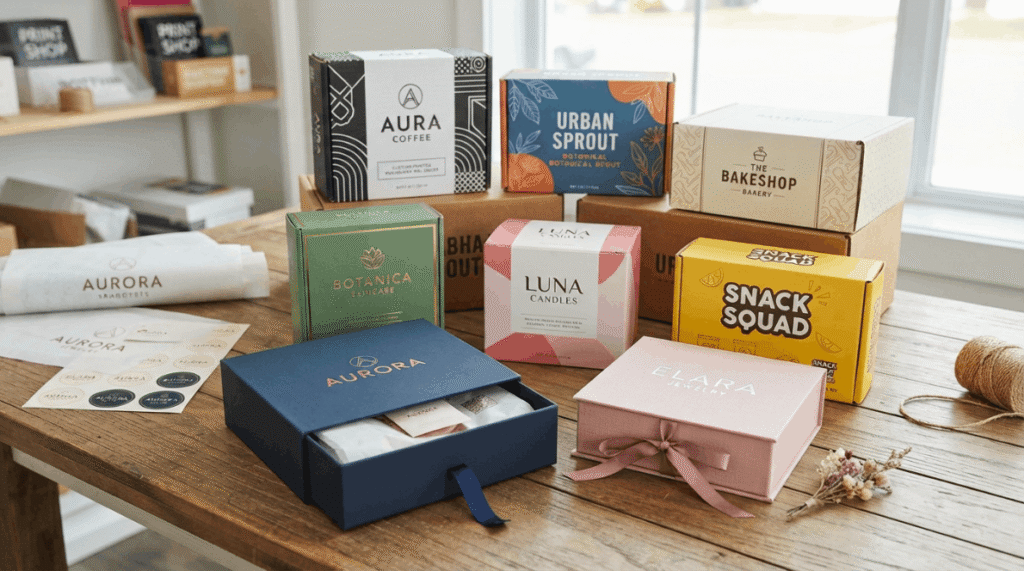
A growing brand’s first big order often arrives in a plain brown box. The product is protected, but the unboxing feels forgettable. Customers open it, use the item, and move on—with almost no lasting impression of your brand. Meanwhile, competitors with thoughtful custom packaging create moments that get shared on social media, encourage reviews, and turn one-time buyers into loyal customers. Custom packaging boxes solve this gap. They protect products during transit, reinforce brand identity at every touchpoint, and scale with your business—from the first 100-unit test run to consistent monthly volume. Whether you need custom printed boxes for retail shelves or durable custom shipping boxes for e-commerce, the right packaging becomes a growth tool rather than just a cost. This guide covers everything growing brands need: the main types of custom packaging boxes, materials and finishes that work, how to design effectively, cost considerations, the ordering process, sustainability options, and common pitfalls to avoid. By the end, you will know how to choose and order packaging that matches your current stage and supports the next one. Why Custom Packaging Boxes Matter for Growing Brands Packaging is the first physical interaction most customers have with your brand after the online purchase. Generic boxes protect the product but do little else. Custom packaging boxes deliver four practical advantages that compound as you scale. First, they differentiate you in crowded markets. On retail shelves or in an Instagram unboxing video, a well-designed custom box signals professionalism and care. Second, they reduce damage and returns. Right-sized custom shipping boxes with proper inserts lower the chance of crushed or broken products, which protects margins and customer satisfaction. Third, they act as ongoing marketing. Logos, brand colors, short messages, and QR codes on the box or inserts drive reviews, social shares, reorders, and brand recall long after delivery. Fourth, they improve operations. Consistent custom boxes reduce the need for stickers, tape, and excess filler, speeding up fulfillment as volume grows. Industry observations consistently show that memorable unboxing experiences increase the likelihood of repeat purchases and organic sharing. For growing brands, this means packaging is not optional decoration—it is a measurable lever for retention and acquisition. Types of Custom Packaging Boxes Every Growing Brand Should Know Choosing the right structure starts with how and where the product will be used or shipped. Custom mailer boxes and custom shipping boxes are the workhorses of e-commerce and subscription brands. Made from corrugated board (typically E-flute or B-flute), they are self-locking, strong enough for carrier handling, and highly brandable on the exterior and interior. They work well for kits, apparel, beauty sets, and most direct-to-consumer shipments. Tuck-top folding cartons are lighter paperboard boxes with straight-tuck or reverse-tuck closures. They are ideal for cosmetics, candles, food items, soaps, and retail products that need strong shelf presence. These are often the first step up from plain shipping boxes when a brand wants retail-ready presentation. Rigid or magnetic-closure gift boxes, among the most popular types of rigid boxes, use thicker board for a premium, non-bendable feel. They suit jewelry, high-end skincare, luxury gifts, and any product where the unboxing itself is part of the experience. Die-cut window boxes, display boxes, pillow boxes, and gable boxes serve more specialized needs. Windows showcase the product, display boxes support counter merchandising, and pillow or gable styles work for gifts, events, or party favors. Complementary options such as custom mylar bags or pouches add moisture protection for foods, teas, coffees, and similar products. A simple way to decide: if the box must survive shipping and create a branded reveal, start with custom mailer or shipping boxes. If the product sits on a shelf or needs a refined retail look, choose folding cartons or rigid boxes. Many growing brands use both—an outer custom shipping box plus an inner printed product box. Materials, Printing, and Finishing Options Explained Material choice balances protection, print quality, cost, and brand values. Printing methods should match order size and quality needs. Digital printing suits short runs and fast turnarounds with good color accuracy. Offset lithography delivers superior color matching and sharpness for larger volumes. Flexographic printing is efficient for bulk corrugated work. Finishes elevate perceived value without always requiring high cost: matte, gloss, or soft-touch lamination; spot UV for logo emphasis; foil stamping in gold, silver, or holographic; embossing or debossing; clear PVC windows; and custom foam or cardboard inserts for product security and presentation. Select materials and finishes that align with both product requirements (protection first) and brand personality. A clean minimalist brand often benefits from kraft or soft-touch finishes, while a bold lifestyle brand may lean into full-color printing and foil accents. How to Design Effective Custom Printed Boxes Effective design starts with accurate dielines and 3D mockups so you can check proportions, bleed, and fold lines before production. Free design support from a manufacturer removes a major barrier for growing teams. Keep branding consistent with your website and other materials. Place the logo and key message on multiple panels so they remain visible whether the box is closed or open. Use the interior of the lid or flaps for a short welcome message, brand promise, or call to action—this is the moment of highest attention during unboxing. Add practical elements that drive results: a QR code linking to a how-to video, review request, or reorder page; an insert with care instructions or a discount for the next purchase; and clear recycling guidance. Right-size the box to the product. Excess space increases filler needs, shipping costs, and the risk of product movement. Common early-stage mistakes include over-designing (too many colors or effects that raise cost unnecessarily), ignoring carrier size and weight rules, and skipping proper proof approval. A practical growth framework works well: begin with simple one- or two-panel branding on standard sizes for test orders, then expand to full multi-panel designs, interior messaging, and inserts as monthly volume becomes predictable. Cost Factors, MOQs, and Ordering Smart for Growing Brands Price is driven by quantity, material thickness and type,
Custom Printed Boxes vs Custom Printed Kraft Boxes: Which One Is Better for Your Brand?
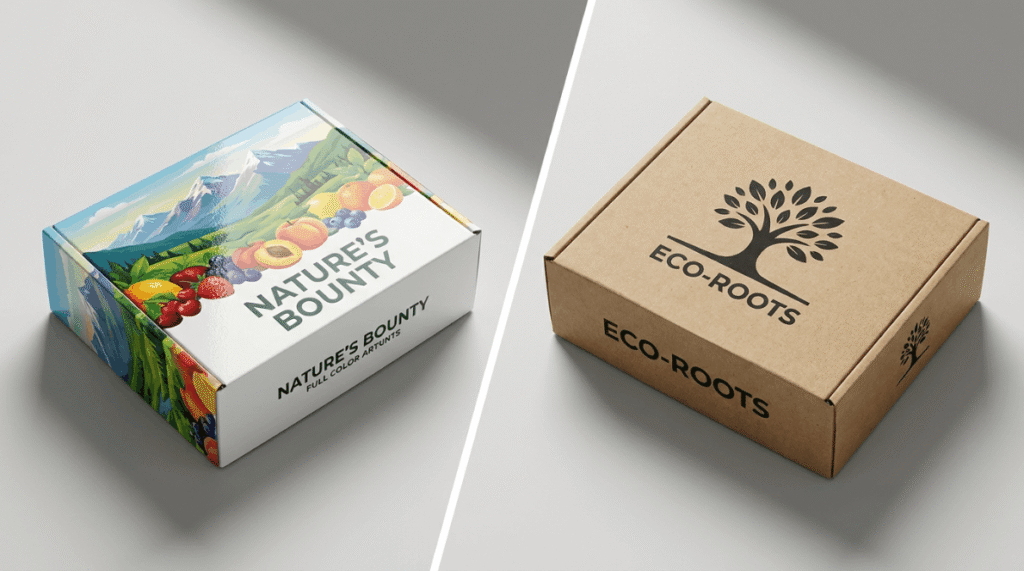
Choosing the right packaging is not just about looks. It directly affects how customers see your brand, how well your product is protected, and how much you spend per unit. Two of the most common options brands consider today are custom printed boxes and Custom Printed Kraft Boxes. Both fall under the category of custom packaging boxes, but they serve different purposes and create different impressions. This guide breaks down the real differences so you can decide which one actually makes sense for your product and brand. What Are Custom Printed Boxes? Custom printed boxes are usually made from white paperboard (SBS), rigid board, or corrugated material with a smooth white surface. This white base allows full-color printing with high detail and vibrant colors. These boxes support advanced finishes such as: Because of the clean white surface, designs, product photos, and fine text appear sharp and professional. Brands in cosmetics, electronics, supplements, and premium retail often prefer this style when they want a polished, high-end look. What Are Custom Printed Kraft Boxes? Custom Printed Kraft Boxes are made from kraft paperboard or kraft corrugated material. Kraft has a natural brown color and slightly rough texture. Printing on kraft is possible, but the results are different from printing on white board. Colors appear more muted, and very fine details or photo-realistic images do not show as clearly. Most brands use one or two colors, bold logos, or simple illustrations on kraft. This creates a raw, earthy, and eco-friendly appearance. These boxes are popular with food brands, organic products, lifestyle companies, fashion labels, and businesses that want to highlight sustainability. Key Differences Between Custom Printed Boxes and Custom Printed Kraft Boxes Here is a clear side-by-side comparison: Factor Custom Printed Boxes Custom Printed Kraft Boxes Base Material White paperboard or rigid board Natural brown kraft paper Print Quality High detail, vibrant full color Limited color range, more muted look Overall Appearance Clean, premium, polished Natural, rustic, eco-friendly Perceived Value Higher Moderate to high (depending on design) Cost Usually higher Generally more affordable Best For Beauty, electronics, luxury, retail Food, organic, lifestyle, eco brands Eco Perception Neutral (depends on material choice) Strong eco-friendly image Durability Good to excellent Good, especially in corrugated kraft The biggest difference is visual. Custom printed boxes give you maximum control over color and design. Custom Printed Kraft Boxes give you a natural look that many customers associate with sustainability. Advantages of Custom Printed Boxes Custom printed boxes work best when branding and visual impact are priorities. Main strengths: If your product sells at a higher price point or competes in a visually driven category (skincare, cosmetics, gadgets, gifts), custom printed boxes usually deliver better results. Advantages of Custom Printed Kraft Boxes Custom Printed Kraft Boxes have their own clear strengths: These boxes are a smart choice when your brand story includes sustainability, simplicity, or a natural lifestyle. Many food, coffee, apparel, and organic product brands use them successfully. Which Option Fits Different Types of Brands? Startups and budget-conscious brands Custom Printed Kraft Boxes are usually the better starting point. They cost less and still allow basic branding. Premium and luxury brands Custom printed boxes are stronger. The clean white surface and high-quality finishes support a high-end image. Eco-focused and sustainable brands Custom Printed Kraft Boxes align better with the brand message. Customers often respond positively to the natural look. E-commerce brands Both can work. If shipping protection and cost matter more, kraft is practical. If unboxing experience and social media sharing matter more, custom printed boxes perform better. Retail brands Custom printed boxes generally have stronger shelf presence because of brighter colors and cleaner design. Cost and Value Considerations Custom printed boxes almost always cost more per unit than Custom Printed Kraft Boxes. The difference becomes larger when you add special finishes like soft-touch or spot UV. However, cost should not be the only factor. A higher-priced box can improve how customers perceive your product and may support a higher selling price. On the other hand, if your margins are tight or your brand identity fits the kraft look, paying extra for white printed boxes may not deliver enough return. Also consider: How to Decide: A Practical Framework Ask yourself these questions before choosing: Simple rule of thumb: Can Brands Use Both? Yes. Some companies use custom printed boxes for their premium product line and Custom Printed Kraft Boxes for everyday or eco-focused items. Others use kraft mailer boxes for shipping and printed inner boxes for the product itself. This hybrid approach can work well if the overall brand identity stays consistent. Final Recommendation There is no single “better” option for every brand. Custom printed boxes are the stronger choice when you need high-quality visuals, premium positioning, and strong retail presence. Custom Printed Kraft Boxes are the better choice when you want lower costs, a natural look, and a clear eco-friendly message. The right decision depends on your product, your customer, and the image you want to build. Both options are effective forms of custom packaging boxes when used for the right reasons. If you are still unsure which style fits your brand, review your product positioning and target audience carefully before placing an order. Choosing the correct packaging from the start saves money and strengthens your brand in the long run.
Custom Kraft Cigarette Boxes: Stylish, Protective & Brand-Focused Packaging Solutions
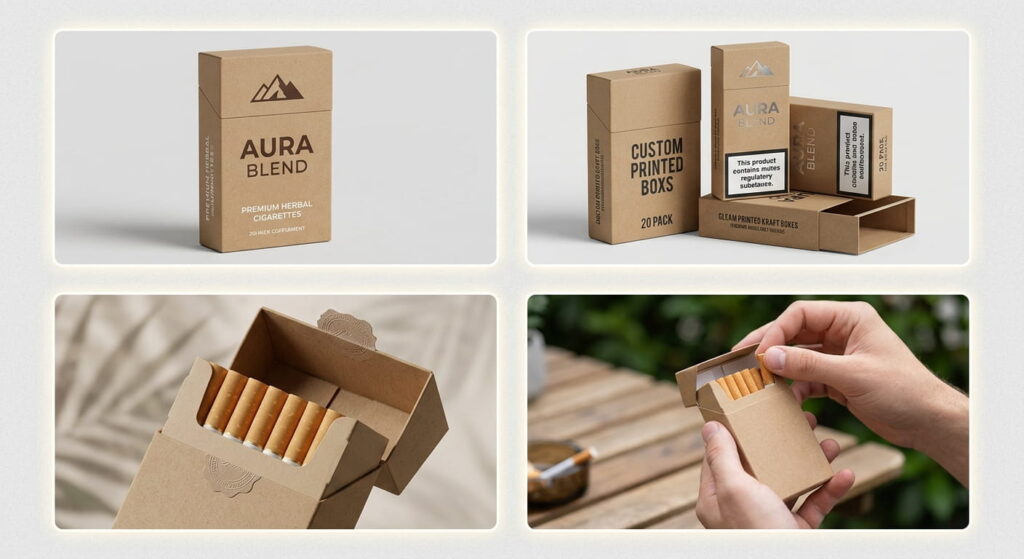
In today’s competitive tobacco and specialty cigarette market, packaging must do more than simply hold product. It needs to protect delicate contents, meet regulatory requirements, and clearly communicate brand identity at a glance. Custom Kraft Cigarette Boxes deliver exactly that combination: stylish natural aesthetics, reliable protection, and strong branding potential in one practical package. Made from high-quality kraft paperboard, these boxes offer a distinctive rustic look that stands out from conventional glossy packs. Brands seeking authenticity, sustainability cues, and tactile appeal increasingly turn to Custom Printed Kraft Boxes and broader custom packaging boxes to differentiate themselves. Whether you produce standard cigarettes, king-size, slim formats, or specialty blends, fully tailored custom boxes help your product feel intentional and premium. At Packaging Hive, we specialize in creating high-quality Custom Kraft Cigarette Boxes with free graphic design support, no die or plate charges, low minimum order quantities, and free shipping across the United States. Why Choose Custom Kraft Cigarette Boxes? Kraft paperboard brings several advantages that coated white board cannot match. Its natural brown tone and subtle texture create an immediate sense of craftsmanship and authenticity. This visual character helps brands appear more grounded and intentional, especially in a category where many packs look similar. Beyond appearance, kraft offers excellent structural integrity. The material resists crushing and provides solid protection during shipping, storage, and retail handling. It also serves as a strong printing surface, allowing logos, graphics, and required information to reproduce cleanly. For brands that value both performance and presentation, Custom Kraft Cigarette Boxes strike an effective balance between style, durability, and cost-efficiency. The eco-friendly perception of kraft further supports modern brand positioning. Recyclable and derived from renewable resources, it allows companies to align packaging with sustainability messaging without sacrificing quality or protection. Key Benefits of Custom Kraft Cigarette Boxes Stylish presentation The warm, natural color and tactile surface of kraft create visual interest that feels premium yet approachable. This look photographs well and stands out on shelves or in digital product images. Reliable product protection Properly engineered kraft boxes shield cigarettes from physical damage, helping maintain product integrity from production to the consumer. Strong brand expression Custom Printed Kraft Boxes give full control over size, structure, artwork, and finishes so packaging becomes a true extension of the brand. Sustainability appeal Kraft materials support eco-conscious narratives that resonate with a growing segment of consumers. Versatility These boxes work for standard 20-count packs, king-size, slim, or custom formats and can be adapted for individual retail packs or larger multipacks. Compliance-ready design Sufficient panel space remains available for mandatory health warnings and required text while still allowing prominent branding. Together, these benefits make kraft an increasingly popular choice for brands that want packaging to work harder on every level. Popular Styles and Structures for Custom Kraft Cigarette Boxes The right structure depends on product dimensions, count, and brand positioning. Common options include: Exact dimensions can be customized to fit specific cigarette lengths and diameters, ensuring a snug, secure fit that prevents movement inside the pack. Design and Branding Ideas for Custom Printed Kraft Boxes Kraft’s natural texture creates a unique canvas for branding. Minimalist logos and clean typography often look especially refined against the brown background. High-contrast elements, such as white ink underprints, bold graphics, or metallic foil accents, stand out dramatically on kraft stock. Embossing or debossing adds dimensional interest to logos and brand marks. Spot UV or selective coating can highlight specific design elements without covering the entire surface. Strategic placement of brand storytelling, product details, and regulatory text keeps the design balanced and professional. Consistency across individual packs and secondary cartons strengthens overall brand recognition. Limited-edition or seasonal designs further create collectibility and urgency. Materials, Printing, and Finishing Options High-quality kraft paperboard is available in various thicknesses to match the required level of rigidity. Printing methods that perform well on kraft include full-color CMYK, Pantone matching, and screen printing. White ink is frequently used as an underbase to ensure logo opacity and color accuracy. Popular finishing options include: These techniques transform simple kraft into sophisticated custom packaging boxes that feel intentional and high-value. How Custom Kraft Cigarette Boxes Support Brand Strategy In a regulated category, differentiation often comes down to packaging details. The distinctive look and feel of kraft help brands stand out while still meeting compliance needs. The material’s authenticity supports messaging around quality, craftsmanship, or natural positioning. Strong structural performance protects product integrity, and thoughtful design elevates both retail presence and the consumer’s first physical interaction with the brand. When individual packs and secondary packaging share consistent design language, the entire system reinforces brand identity at every touchpoint. Choosing the Right Custom Boxes for Your Cigarette Brand Begin by confirming exact product dimensions and stick count. Decide on the desired aesthetic (minimalist, bold, premium, or rustic) and determine how much emphasis to place on sustainability. Factor in regulatory panel requirements, expected order volumes, and budget. Request digital proofs and, when possible, physical samples to evaluate fit, print quality, and overall feel before full production. Working with an experienced packaging partner simplifies the process and reduces risk. Clear communication of dimensions, artwork, and finishing preferences leads to better results. Why Partner with Packaging Hive for Custom Kraft Cigarette Boxes Packaging Hive specializes in fully customized packaging solutions tailored to your exact needs. We produce Custom Kraft Cigarette Boxes and other custom packaging boxes using quality materials and precise manufacturing. Our team provides free graphic design support and digital proofs so you can refine artwork before production begins. There are no die or plate charges, minimum order quantities start low, and free shipping is available across the United States. From concept through delivery, we focus on creating packaging that protects your product, strengthens your brand, and arrives ready for market. Conclusion: Elevate Your Packaging with Custom Kraft Cigarette Boxes Custom Kraft Cigarette Boxes combine style, protection, and brand focus in a single effective solution. Their natural aesthetic, durable construction, and excellent printability make them a smart choice for brands that
Complete Guide to Different Types of Custom Boxes (From Tuck to Foil)
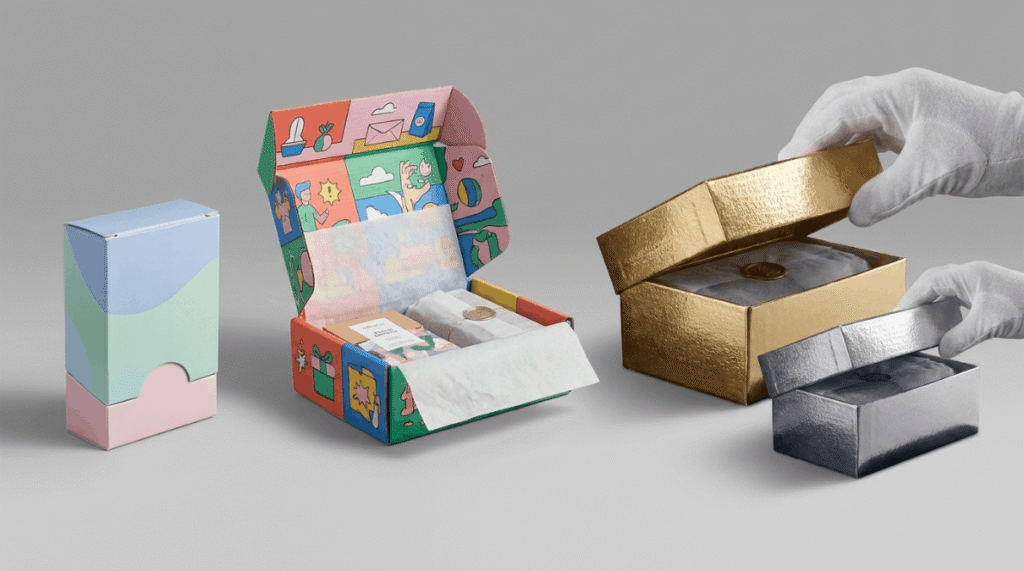
Packaging is no longer just about protecting a product. In today’s competitive market, the box itself has become a powerful marketing tool. The moment a customer receives a package, the unboxing experience begins — and that first impression can decide whether they become a loyal buyer or move on to a competitor. This is why more brands are switching to custom boxes and custom packaging boxes. From simple everyday options like Seal End Tuck Boxes to premium Gold Foil Boxes and Silver Foil Boxes, the right packaging can elevate product value, strengthen brand identity, and create memorable customer experiences. In this complete guide, we will walk you through the most popular types of custom boxes, their strengths, best use cases, and how to choose the perfect option for your brand. Why Custom Boxes Matter More Than Ever Generic boxes may get the job done, but they do nothing for your brand. Custom packaging boxes, on the other hand, turn every delivery into a branding opportunity. Here’s why custom boxes have become essential: Whether you are a startup or an established brand, investing in the right custom boxes is one of the smartest long-term decisions you can make. Seal End Tuck Boxes – The Most Versatile Everyday Option Seal End Tuck Boxes are among the most widely used styles in the packaging industry — and for good reason. These boxes feature tuck flaps on one or both ends and sealed sides that provide a clean, professional look. They are easy to assemble, cost-effective, and offer a smooth surface for high-quality printing. Best suited for: Cosmetics, skincare, supplements, pharmaceuticals, small electronics, confectionery, and retail products. Key advantages of Seal End Tuck Boxes: If you need practical, reliable, and brandable custom boxes without spending heavily on luxury finishes, Seal End Tuck Boxes are an excellent starting point. Custom Printed Boxes – Turning Packaging into Marketing Once you move beyond plain packaging, custom printed boxes open up powerful branding possibilities. Full-color printing allows you to display your logo, product information, brand story, and design elements directly on the box. This transforms the packaging into a mini billboard that travels with your product. Common printing methods include: Custom printed boxes work exceptionally well when combined with other styles — for example, printed Seal End Tuck Boxes or printed kraft boxes. The result is packaging that not only protects but also actively markets your brand every time it is seen. Luxury Packaging: Gold Foil Boxes & Silver Foil Boxes When you want packaging that feels premium, foil stamping is one of the most effective techniques available. Gold Foil Boxes Gold Foil Boxes create an instant impression of luxury and elegance. The warm, metallic shine of gold works beautifully for high-end products. Ideal for: Jewelry, premium cosmetics, chocolates, gourmet foods, gift sets, and exclusive limited editions. Custom Gold Foil Boxes allow brands to combine gold foil accents with printed designs, logos, or patterns. This combination delivers a rich, high-value look that customers associate with quality. Silver Foil Boxes Silver Foil Boxes offer a cooler, more modern aesthetic. They feel sleek, contemporary, and sophisticated. Best for: Skincare, tech accessories, wellness products, fashion items, and modern lifestyle brands. Custom Silver Foil Boxes give designers flexibility to create clean, elegant packaging that stands out without appearing overly traditional. Gold Foil vs Silver Foil – Quick Comparison Feature Gold Foil Boxes Silver Foil Boxes Visual Feel Warm, classic, luxurious Cool, modern, elegant Best Brand Style Traditional luxury & gifts Contemporary & minimalist Common Industries Jewelry, chocolate, cosmetics Skincare, tech, lifestyle Perceived Value Very high High Both options elevate custom packaging boxes significantly and are excellent choices when brand image matters as much as product protection. Combining Functionality with Premium Look Many brands successfully mix practical structures with luxury finishes. For example: These hybrid approaches allow you to control costs while still delivering a premium unboxing experience. Adding foil does increase the price per unit, but the boost in perceived value often justifies the investment — especially for higher-priced products. How to Choose the Right Type of Custom Boxes for Your Product Selecting the perfect packaging requires balancing several factors: Quick Decision Checklist: Avoid the common mistake of choosing packaging only based on price. The right custom boxes often pay for themselves through stronger branding and higher customer satisfaction. Benefits of Investing in High-Quality Custom Packaging Boxes Switching to well-designed custom packaging delivers multiple long-term advantages: In short, quality custom packaging boxes do more than hold your product — they actively support your brand growth. Final Tips Before Ordering Custom Boxes Before placing an order, keep these practical tips in mind: Conclusion From practical Seal End Tuck Boxes to eye-catching Gold Foil Boxes and Silver Foil Boxes, the world of custom boxes offers solutions for every brand and budget. The key is understanding your product needs, brand personality, and customer expectations. When chosen correctly, custom packaging boxes become more than just containers — they become a valuable part of your brand story. Ready to create packaging that protects your product and elevates your brand? Explore high-quality custom packaging solutions at Packaging Hive and take the next step toward packaging that truly works for your business.
10 Types of Rigid Boxes Every Brand Should Know
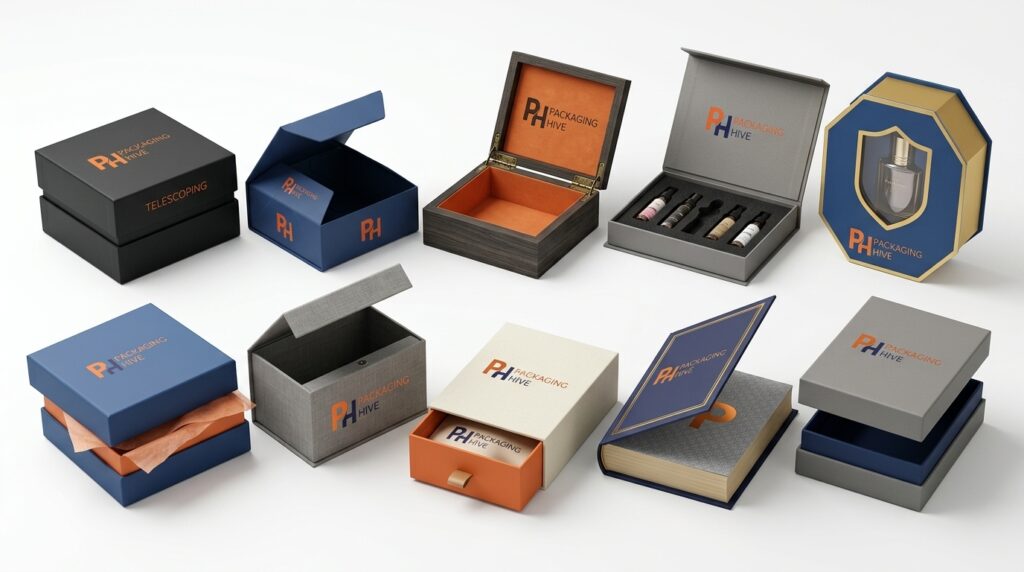
Rigid boxes have become a go-to solution for brands that want to protect their products while creating a memorable first impression. Unlike standard folding cartons, these sturdy structures hold their shape, feel substantial in the hand and instantly signal quality. Whether you sell jewelry, cosmetics, electronics, or gifts, understanding the different types of rigid boxes, along with the materials that make them work, helps you choose packaging that matches your brand and delights customers. In this guide, we’ll walk through ten of the most useful styles, explain when each works best, explore the key material options that determine strength and appearance and share practical tips so you can make smarter packaging decisions. Main Types of Rigid Boxes Below are the ten most common and useful types of rigid boxes that brands rely on today. Each style offers distinct advantages in presentation, protection and functionality. 1. Two-Piece Rigid Boxes (Lid and Base Boxes) Two-piece rigid boxes, also called lid and base boxes, are the classic and most widely used style. They consist of a separate base and a removable lid that fits over the top. This simple design offers clean presentation and easy access to the product. Brands often choose two-piece rigid boxes for candles, watches, tech accessories and everyday luxury items because they look polished without unnecessary complexity. They also work well as rigid gift boxes and can be customized with logos, soft-touch finishes, or foil stamping. Best for: Brands that want reliable protection and a premium look at a reasonable cost. 2. Magnetic Closure Rigid Boxes Magnetic closure rigid boxes feature hidden magnets that create a satisfying “click” when the lid closes. This small detail elevates the unboxing experience and makes the packaging feel more luxurious. These magnetic rigid boxes are especially popular for high-end cosmetics, jewelry and small electronics. The secure closure keeps products safe during shipping while the smooth opening moment reinforces brand quality. Many companies use them as luxury packaging boxes because the magnetic feature feels intentional and premium. Best for: Products where the unboxing moment matters as much as the product itself. 3. Drawer Rigid Boxes (Slide-Out Rigid Boxes) Drawer rigid boxes, sometimes called slide-out rigid boxes, feature a tray that slides out from a sleeve or outer shell. The smooth motion creates an interactive and elegant reveal. This style works particularly well for watches, jewelry sets, tea collections and multi-piece kits. The sliding action adds a sense of ceremony that standard lids cannot match. Brands often pair drawer rigid boxes with custom inserts to hold items securely in place. Best for: Products that benefit from a theatrical or high-touch presentation. 4. Book Style Rigid Boxes Book style rigid boxes open like a hardcover book, with a hinged lid attached to the base. This design offers more surface area for branding and storytelling on the inside panels. They are frequently chosen for premium collections, corporate gifts and presentation kits. The hinged structure makes them easy to open and close repeatedly, which is useful when the box will be kept as a keepsake. Many brands use book style rigid boxes to create a more narrative-driven unboxing experience. Best for: Brands that want packaging to tell a story or serve as a lasting keepsake. 5. Shoulder Neck Rigid Boxes Shoulder neck rigid boxes have three main parts: a base, a raised “neck” or shoulder section and a separate lid. The layered structure creates visual depth and a sophisticated, high-end appearance. This style is commonly seen in perfume packaging, luxury cosmetics and exclusive gift sets. The extra dimension makes the product feel more substantial and carefully presented. Shoulder neck designs are a strong choice when you want rigid product boxes that stand out on shelves or in photos. Best for: Fragrance, beauty and other categories where visual hierarchy and elegance matter. 6. Telescoping Rigid Boxes Telescoping rigid boxes feature a lid that fully covers the base, creating a clean, continuous look. The deeper lid provides extra protection and a seamless exterior. These boxes work well for electronics, premium accessories and products that need added structural strength. Because the lid sits flush over the base, they often feel more substantial than standard two-piece designs. Brands looking for durable rigid packaging frequently turn to this style. Best for: Items that require both strong protection and a refined exterior. 7. Collapsible Rigid Boxes (Foldable Rigid Boxes) Collapsible rigid boxes (also called foldable rigid boxes) can be shipped flat and assembled quickly when needed. Once set up, they offer the same sturdy feel as traditional rigid boxes. This style solves a major logistics challenge for e-commerce brands. It reduces shipping volume and storage costs while still delivering a premium experience. Collapsible options are increasingly popular for rigid boxes for e-commerce and rigid subscription boxes, where brands need both luxury presentation and practical shipping efficiency. Best for: Online sellers and subscription services that want premium packaging without high freight costs. 8. Hinged Lid Rigid Boxes Hinged lid rigid boxes have a lid permanently attached on one side, similar to a clamshell but with a more refined rigid construction. The design allows easy repeated opening and closing. These boxes are practical for products that customers will access often or for packaging intended to be reused. They combine the strength of rigid construction with everyday convenience. Many brands use hinged lid styles for keepsake packaging or items that double as storage after the initial unboxing. Best for: Reusable packaging and products that benefit from frequent access. 9. Rigid Boxes with Custom Inserts While not a structural style on its own, rigid boxes with custom inserts deserve a dedicated place on this list. Foam inserts, cardboard inserts, die-cut inserts and EVA foam trays keep products secure and create a polished presentation. Custom box inserts prevent movement during shipping and make the interior look intentional. They are especially valuable for rigid jewelry boxes, rigid watch boxes, rigid cosmetic boxes and any multi-component set. Thoughtful inserts turn a good box into a complete protective and presentation system.
Using Pacdora for Creating 3D Packaging
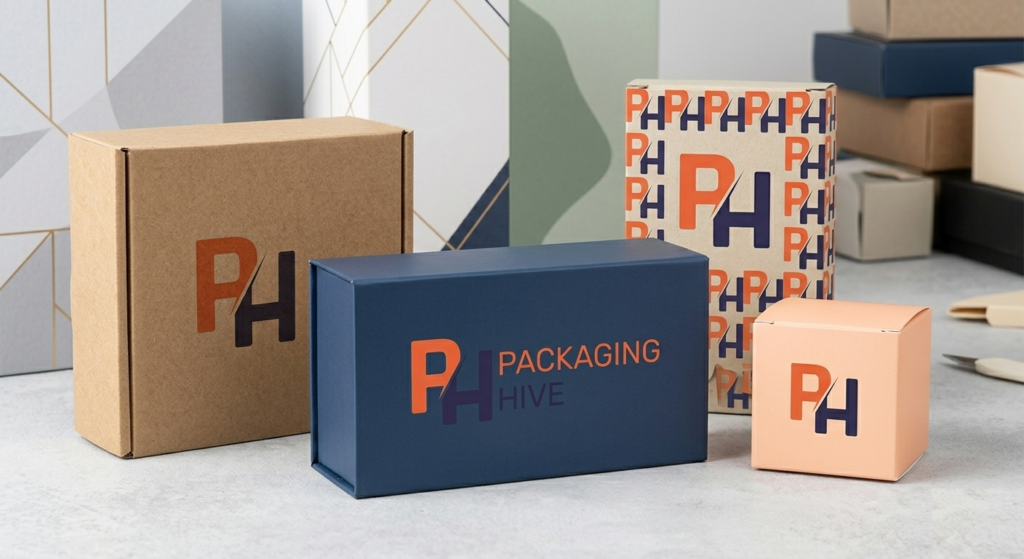
In today’s competitive market, packaging is more than just protection—it’s a visual experience. Brands across the USA are rapidly shifting toward realistic 3D packaging designs to attract customers and improve product presentation. This is where Pacdora stands out as a powerful and easy-to-use solution. At Packaging Hive, we understand how important it is to visualize your packaging before production. Using tools like Pacdora can streamline your design process and help you achieve professional results without complex software. What is Pacdora? Pacdora is an online 3D packaging design tool that allows users to create, customize, and visualize packaging in a realistic environment. Unlike traditional design methods, it eliminates the need for advanced technical skills. With its user-friendly interface, even beginners can create high-quality 3D mockups within minutes. Why 3D Packaging Matters Modern consumers in the USA are highly visual. Before they even read about your product, they notice how it looks. 3D packaging helps brands: Instead of guessing how your packaging will look, 3D previews give you clarity and confidence. Key Features of Pacdora Pacdora simplifies the entire packaging design process. It combines creativity with functionality, making it ideal for businesses of all sizes. Easy-to-Use Interface You don’t need to be a professional designer. The platform is simple, clean, and beginner-friendly. Ready-Made Templates Pacdora offers a wide range of packaging templates including boxes, pouches, and cartons. You can quickly select a structure and start designing. Realistic 3D Preview The real-time 3D preview allows you to see exactly how your packaging will look from every angle. Drag-and-Drop Design Upload your artwork and apply it instantly. This saves time and reduces complexity. How to Create 3D Packaging with Pacdora Creating packaging using Pacdora is a straightforward process. First, choose your packaging type from the available templates. Then upload your design or create one directly on the platform. Adjust dimensions, colors, and textures according to your brand. Once done, you can preview your design in 3D and export high-quality images for presentations or marketing. Benefits for Businesses in the USA For US-based businesses, speed and presentation are critical. Pacdora helps brands move faster while maintaining quality. It reduces the need for physical prototypes, saving both time and cost. This is especially helpful for startups and eCommerce businesses looking to launch products quickly. At Packaging Hive, we often recommend using 3D tools like Pacdora to refine packaging ideas before moving to production. How Packaging Hive Can Help While Pacdora is a great tool, creating impactful packaging still requires expertise. That’s where Packaging Hive comes in. We help businesses transform their ideas into premium packaging solutions. From concept to final production, our team ensures your packaging aligns with your brand identity and market trends. Combining Pacdora’s visualization with our industry experience gives you the best of both worlds. Final Thoughts 3D packaging is no longer optional—it’s a necessity in today’s market. Tools like Pacdora make it easier than ever to design, visualize, and perfect your packaging. If you want packaging that not only looks great but also performs well in the US market, start with the right tools and the right partner. Visit Packaging Hive to explore custom packaging solutions that elevate your brand.
Cake Pop Packaging Ideas
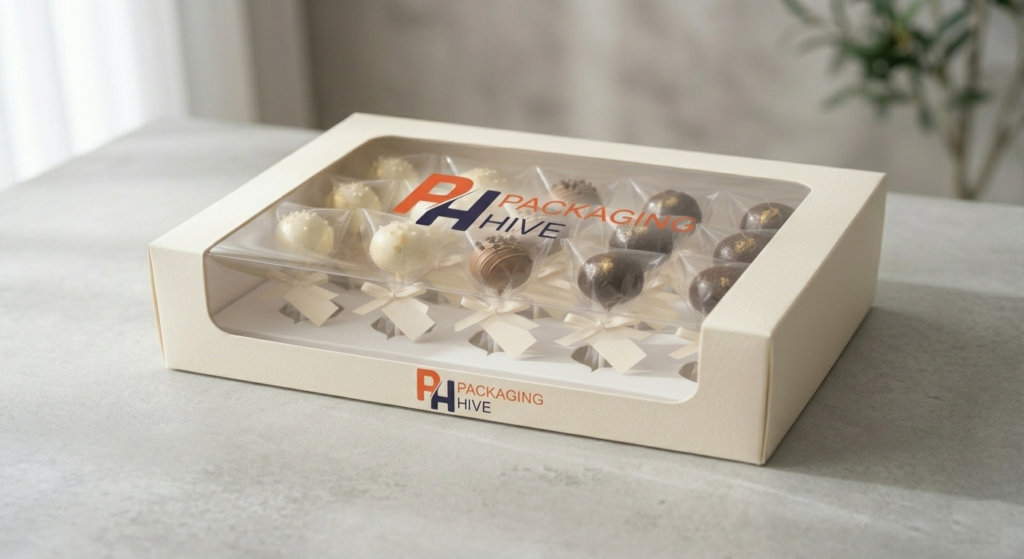
Cake pops have become a popular treat across the USA, especially for events, parties, and small bakery businesses. But great taste alone isn’t enough—presentation plays a huge role in attracting customers. At Packaging Hive, we help bakeries turn simple treats into premium products with creative packaging solutions. If you’re looking for fresh and practical cake pop packaging ideas, this guide will help you stand out in the competitive bakery market. Why Cake Pop Packaging Matters Packaging is the first thing customers notice. For cake pops, it also ensures hygiene and safe handling. Good packaging helps: For bakery businesses in the USA, visually appealing packaging can directly boost sales. Individual Cake Pop Packaging Ideas Single cake pop packaging is ideal for gifting or retail display. Clear wrapping is one of the most popular options. Using transparent bags with ribbons or branded stickers creates a clean and attractive look. You can also use small boxes with inserts to hold the cake pop securely in place. Many bakeries prefer custom packaging to add logos and brand colors, making their products instantly recognizable. Creative Box Packaging for Cake Pops Box packaging gives a premium feel and is perfect for selling cake pops in sets. You can use small window boxes that allow customers to see the product without opening the packaging. This builds trust and enhances visual appeal. For businesses looking to scale, custom bakery packaging solutions can be designed according to brand theme, seasonal events, or special occasions. Eco-Friendly Packaging Options Sustainability is becoming increasingly important in the USA market. Customers prefer brands that use eco-friendly materials. You can choose kraft boxes, biodegradable wraps, or recyclable paper packaging. These options not only reduce environmental impact but also improve your brand image. At Packaging Hive, we offer eco-friendly packaging solutions that align with modern consumer preferences. Packaging for Events and Gifting Cake pops are widely used for birthdays, weddings, and corporate events. For these occasions, packaging should be both protective and visually appealing. Decorative boxes, themed wraps, and personalized tags can make your product more special. Using premium packaging boxes adds a luxurious touch and makes your cake pops perfect for gifting. Branding Tips for Bakery Packaging Strong branding helps your bakery stand out in a crowded market. Use consistent colors, logos, and typography across all packaging. Adding small details like thank-you cards or QR codes can improve customer engagement. Investing in branded packaging for bakeries helps build customer loyalty and increases repeat purchases. How Packaging Hive Can Help Your Bakery Creating the perfect cake pop packaging requires both creativity and quality materials. At Packaging Hive, we specialize in bakery packaging solutions that are designed to meet the needs of modern businesses in the USA. Whether you need simple wrapping or fully customized boxes, our team can help bring your vision to life. Final Thoughts Cake pop packaging is more than just a container—it’s part of the customer experience. From simple wraps to premium boxes, the right packaging can elevate your product and increase its value. If you want your bakery products to stand out on shelves and online, investing in creative packaging is the key.
What is Perforated Packaging?
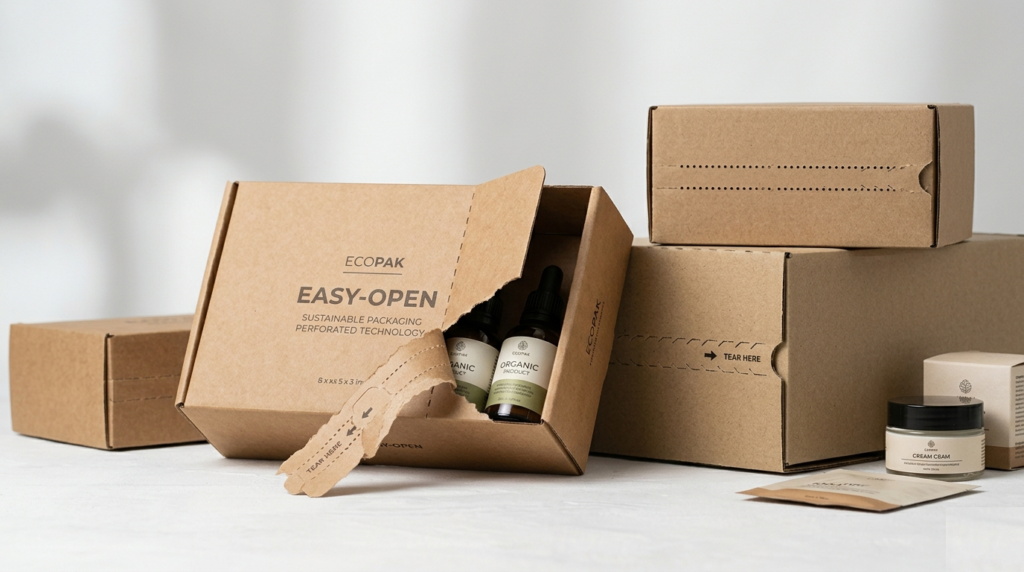
In today’s competitive retail and eCommerce landscape, packaging is more than just protection—it’s part of the customer experience. From unboxing satisfaction to product accessibility, brands are constantly looking for smarter packaging solutions. One such innovation that’s gaining popularity is perforated packaging. But what exactly is it, and why are so many businesses in the United States adopting it? Let’s break it down in a simple, practical way. What is Perforated Packaging? Perforated packaging refers to packaging materials that include small, pre-made holes or cuts (called perforations) that allow easy tearing without damaging the product inside. These tiny perforations are strategically placed to create a controlled opening experience. You’ve probably seen this in: In short, it’s packaging designed for convenience, functionality, and user experience. How Perforated Packaging Works Perforated packaging works by incorporating a series of small cuts or holes into the material during the manufacturing process. These perforations: The idea is simple: guide the user where and how to open the package. For example, in tear-away packaging, a perforated strip lets customers open a box smoothly without scissors or knives—making it both safe and user-friendly. Types of Perforated Packaging Perforated packaging comes in several forms depending on the product and industry needs. 1. Perforated Boxes These are commonly used in retail and shipping. They often feature tear strips or removable panels for easy access. 2. Tear-Away Packaging Designed for convenience, this type allows users to quickly open packages without tools. It’s widely used in eCommerce and subscription boxes. 3. Easy-Open Packaging Popular in consumer goods, especially food and pharmaceuticals, where quick access is essential. 4. Display-Ready Packaging Retailers love this. Boxes can be torn open along perforated lines and instantly turned into display trays for shelves. Benefits of Perforated Packaging for Businesses Perforated packaging isn’t just about convenience—it offers real business advantages. Improved Customer Experience Customers appreciate packaging that’s easy to open. It reduces frustration and enhances brand perception. Increased Efficiency Retailers and warehouse staff can open and display products faster, saving time and labor costs. Better Product Protection Controlled tearing reduces the risk of accidental damage during opening. Enhanced Branding Clean, intentional opening experiences make your packaging feel premium and thoughtful. Sustainability Support Less need for tools and reduced material waste can contribute to eco-friendly packaging goals. Industries That Use Perforated Packaging Perforated packaging is widely used across multiple industries in the U.S. eCommerce & Retail Shipping boxes with tear strips improve unboxing and returns. Food & Beverage Snack packs, frozen food boxes, and beverage cartons often include easy-open features. Pharmaceuticals Medicines and healthcare products use perforations for safety and accessibility. Cosmetics & Personal Care Luxury brands use perforated designs for elegant and smooth unboxing. Electronics High-end product packaging often includes tear-away features for a seamless experience. Materials Used in Perforated Packaging Different materials can be used depending on the product and packaging requirements. Cardboard Strong, durable, and ideal for shipping and retail packaging. Many brands prefer custom cardboard boxes for their versatility and cost-effectiveness. Kraft Paper Eco-friendly and recyclable, Kraft is perfect for sustainable brands. You can explore options like custom kraft boxes for a natural and premium look. Corrugated Board Used for heavier products, offering strength along with perforation functionality. Flexible Materials Plastic films and laminates are used in food packaging where easy-open features are essential. Customization Options One of the biggest advantages of perforated packaging is how customizable it is. At Packaging Hive, businesses can tailor packaging based on their exact needs: Whether you need retail packaging solutions or shipping boxes with tear-away features, customization ensures your packaging aligns with your brand identity. For example, integrating perforations into Custom Kraft Boxes or Custom Cardboard Boxes can significantly improve both usability and presentation. Perforated Packaging vs Traditional Packaging Traditional packaging often requires tools like scissors or knives to open. This can be inconvenient and sometimes unsafe. Perforated packaging, on the other hand: While traditional packaging may still be suitable for certain applications, perforated solutions are quickly becoming the preferred choice for modern brands. How to Choose the Right Perforated Packaging Choosing the right perforated packaging depends on several factors. Product Type Fragile items may need carefully placed perforations to avoid damage. Customer Experience Think about how your customers will interact with the packaging. Material Selection Choose between kraft, cardboard, or corrugated based on durability and sustainability goals. Branding Needs Custom designs can turn simple packaging into a marketing tool. Budget Balance cost with functionality and long-term value. Working with an experienced provider like Packaging Hive ensures you get packaging that is both functional and visually appealing. Conclusion Perforated packaging is more than just a design feature—it’s a smart solution that enhances usability, efficiency, and brand perception. From easy-open packaging to tear-away packaging and perforated boxes, this innovation is transforming how businesses deliver products to customers. If you’re looking to improve your packaging strategy, now is the time to explore perforated solutions. Packaging Hive offers high-quality, fully customizable packaging designed to meet the needs of modern businesses in the United States. Whether you need eco-friendly options or premium retail packaging, their expert team can help you create packaging that stands out. FAQs What is perforated packaging used for? Perforated packaging is used to make opening packages easier and more convenient without damaging the product. Is perforated packaging durable? Yes, it maintains strength while allowing controlled tearing in specific areas. Can perforated packaging be customized? Absolutely. Businesses can customize perforation patterns, materials, and designs to fit their branding. Is perforated packaging eco-friendly? It can be, especially when made with recyclable materials like kraft or cardboard.